Friday, June 17, 2016

Big Pharma Is America’s New Mafia

Big Pharma Is America’s New Mafia

Pharmaceutical companies have more power than ever, and the American people are paying the price—too often with our lives.
By now you have probably seen John Oliver’s comic take on the pharmaceutical industry’s influence on doctors’ prescribing habits. Media outlets from Mother Jones to the Wall Street Journal commented admiringly, and even the American Medical Association felt compelled to declare they were “committed to transparency” around drug company payments to doctors.
But satire will do very little to focus on the real problem if we’re distracted by the humor inherent in self-important doctors being bought off by a steak. What’s not funny is that America is the most medicated nation on earth, with some 70 percent of Americans taking prescription drugs—yet we have worse health outcomes than other industrialized countries. Part of the problem may be the drugs themselves. As Slate’s devastating expose on the fraud in clinical drug trials shows us: We don’t know much about the drugs we prescribe.
But as physicians, we have very little good information to go on. Even our most prestigious journals publish research based on falsified studies, according to Charles Seife, a journalism professor whose class spent a semester trying to figure out why the data don’t get corrected once research fraud comes to light.  “As a result,” Seife writes, “nobody ever finds out which data is bogus, which experiments are tainted, and which drugs might be on the market under false pretenses.”
If no one knows which data is bogus, we obviously have a big problem in conventional medicine.  Perhaps we shouldn’t be so focused on marketing shenanigans, and more concerned about the original study data before something becomes standard of care. Standard of care, of course, is driven by “research” that is incorporated into academic guidelines and is the basis of customer demand.
Understanding consumer demand takes very little study—just turn on the TV. Every year pharmaceutical companies spend over $3 billion on direct-to-consumer ads. These ads work: a patient who requests a specific drug will get it most of the time. (We are, by the way, the only country besides New Zealand that allows this.) But the question of how something becomes part of a recommended guideline is less obvious—and has a lot to do with pharmaceutical money paid to academic physicians in research and consulting fees.
Many of these physicians “leaders” then get to influence prescribing practices—since researchers and consultants are, well, experts. Consider the 2004 Cholesterol guidelines that resulted in an explosion in the use of statin drugs—eight out of nine of the doctors who wrote those guidelines were in receipt of money from statin manufacturers. The Harvard psychiatrist credited with hyping the use of stimulant drugs for ADHD—that has resulted in nearly 15 percent of our youth being medicated—received $1.6 million from producers of stimulant drugs. Prestigious medical journals—the ones that often define medical guidelines—allow physicians consulting for pharmaceutical companies or paid medical writers to extol the virtues of the drugs they are selling.
I hate to ruin the fun, but practicing physicians are influenced far more by guidelines, esteemed academic physicians, and opinion pieces in prestigious journals than we are by a deli platter and a smiling drug rep. We look to the world of academic medicine because, well, where else can we turn? Pharmaceutical companies know this and have worked hard to sway the leadership. Now the question comes up if we can trust the data that the leadership relies on. One wonders how deep the deception goes. In fact, the heavy influence of pharmaceutical dollars inspired the former editor-in-chief of the New England Journal of Medicine, Dr. Marcia Angell, to conclude, “It is simply no longer possible to believe much of the clinical research that is published, or to rely on the judgment of trusted physicians or authoritative medical guidelines.”
That’s why so many practicing physicians and patients alike were relieved that Obamacare would force pharmaceutical companies to come clean about how much money they’re throwing at some doctors.  Sure, it’s fun to ridicule a middle-aged doctor ogling the drug rep’s cleavage while stuffing pens in his pocket or wolfing down a falafel sandwich—but this guy isn’t really the problem and everybody knows it. While $90 million went to drug-company sponsored meals in 2013, according to the Open Payments database, at least $1.4 Billion went to research.  If we can believe that doctors can be bought with a slice of pizza pie, then we cannot underrate the influence of research monies.
And by the way, that $1.4 billion is probably a fraction of what is spent on researchers. Obamacare allows a four-year delay in the reporting of research grants for reasons that really don’t make any sense. An explanation from Medscape does little to satisfy: “The thinking is that if there were public transparency, it might stifle companies from getting involved in very early research…. And that’s again to specifically protect that research space.”
Whether or not the research space needs protecting is a matter of debate. Certainly we have so much research that it’s impossible for a working physician to get through it—some 800,000 articles are published annually. In response, the Cochrane Collaboration was formed in the 1990s to perform systematic reviews of the literature. Dr. Peter Gotzsche, the Director of the Nordic Cochrane Center in Copenhagen, has seen enough over the last two decades to sum up his findings in a book whose title says it all: Deadly Medicines and Organised Crime: How Big Pharma has Corrupted Healthcare.
“Much of what the drug industry does fulfills the criteria for organized crime in US law,” Dr. Gotzsche said in a recent interview. “And they behave in many ways like the mafia does, they corrupt everyone they can corrupt, they have bought every type of person, even including ministers of health in some countries…The drug industry buys the professors first, then chiefs of departments, then other chief physicians and so on, they don’t buy junior doctors.”
Gotzsche isn’t the only one accusing pharmaceutical companies of wrongdoing beyond the marketing malfeasance they’re famous for. In Australia, during the Vioxx class action suit brought against Merck, company emails were released revealing that Merck employees planned to “neutralize” and “discredit” doctors who criticized the drug. “We may need to seek them out and destroy them where they live,” a Merck employee wrote, according to The Australian. Apparently, uncooperative physicians were targeted to lose academic appointments and research funding for telling the truth about the negative side effects they observed.
This is troubling—but even more so in light of the fact that it’s now widely accepted that prescription drugs can be dangerous and over the years dozens have been recalled. “Our prescription drugs are the third leading cause of death after heart disease and cancer. Our drugs kill around 200,000 people in America every year, and half of these people die while they do what their doctors told them—so they die because of the side-effects,” said Dr. Gotzsche in his recent interview. “The other half die because of errors—and it’s often the doctors that make the errors because any drug may come with 20, 30 or 40 warnings, contraindications, precautions…and then the patients die.”
This is a hard pill for any of us to swallow. We should be able to trust our doctors, who should in turn be able to trust “the science.” As amusing as Oliver’s “epic takedown” of doctors was, the trouble isn’t physicians prescribing a new drug because a drug rep brings us a platter of tacos, the problem is whether the drugs we have to choose from are truly safe and effective in the first place.
Of course pharmaceutical companies are here to stay—and on the whole that’s a good thing. But to prevent a power dynamic that may deny us fully accurate drug data, physicians, and patients need more transparency—not just about the money, but about the drugs we are putting in our bodies.

Saturday, June 11, 2016

Cystic Fibrosis

Some of the most effective home remedies for cystic fibrosis include the use of hyssop, cayenne, ginger, peppermint, garlic, fish, ginseng, curcumin, licorice, green tea, oats, and vitamin D.

Cystic Fibrosis

Cystic fibrosis is an autosomal genetic disorder that most commonly affects the lungs, but can have secondary impacts on a number of other organ systems, including the pancreas, intestines, and liver. The main symptom of cystic fibrosis is chronic lung infections, including pneumonia and related conditions, that weaken and break down the integrity and strength of the lungs over time. Eventually, lung transplants are necessary, and there is no cure, so people suffering from this condition do tend to have a shorter life span. It has only been in recent decades that extensive therapy and understanding of the disease has led to successful management, but there is still no permanent solution.
One of the best ways to prevent the onset of cystic fibrosis is to avoid the other lung infections that can exacerbate and speed up the decline of your lungs. This may seem like treating the symptoms, rather than the disorder itself, but that is simply the best that can be done at this point in medical history.
cysticfibrosisWhile cystic fibrosis treated most successfully in hospitals with medical professionals, there are other home remedies that can maximize your management of this disease, which some people will have for the rest of their life. You don’t have to remain in a hospital for your entire life, so it’s best to understand what behaviors, dietary choices, and red flags there are out there in the world to make sure you remain healthy and maintain a high quality of life for as long as possible.

Home Remedies for Cystic Fibrosis

Ginseng: Ginseng is a natural remedy for many things, primarily because it has such impressive antibacterial capabilities. Whether you want to add ginseng powder to your food, steep ginseng tea for your afternoon cup, or simply take ginseng supplements, these can all help to eliminate bacterial infections that attack the lungs in conjunction with cystic fibrosis.
Omega-3 Diet: Adding a hefty dose of omega-3 fatty acids to your diet is one of the best ways to increase your immune system and eliminate the lung infections that can be so detrimental to people suffering from cystic fibrosis. Omega-3s protect against excessive mucus production and reduces inflammation biomarkers, many of which can contribute to chronic illness and infection of the lungs. Fish are one of the best sources of omega-3s in large supply, even in the form of fish oil supplements.
Garlic: One of the constant remedies suggested for various illnesses, garlic once again plays a role in the natural healing of cystic fibrosis. The volatile components in garlic have a natural antipathy to certain strains of bacteria, many of which happen to be major lung infection-causing bacteria. Adding garlic to your diet can seriously boost your body’s defense against these types of infections. Making a garlic paste and rubbing in on the chest can also help, as you will inhale the beneficial vapors as you sleep.
Papaya: This exotic fruit has shown specific strength against Staphylococcus and and Bacillus cereus strains of bacteria, which are both associated with the lungs. Eating papaya a few times a week can help to ward off any of those bacteria from developing in the respiratory tract.
Clove, Cinnamon, and Peppermint: The strong volatile oils contained in these substances all have one thing in common, aside from smelling very nice. All of them reduce the virulence and pathogenicity of bacteria, making them less powerful in the body and unable to propagate into more serious infections of the lungs that can complicate cystic fibrosis cases.
Licorice: If you want a tasty way to keep your cystic fibrosis under control, try a licorice rope. The powerful organic compounds in licorice can actually reduce pulmonary inflammation, which means a much better chance of avoiding lung infections that can speed up the disorder.
Curcumin: This powerful remedy can help to reduce lung inflammation and also demonstrates certain antibacterial properties. Adding this element to your food in the form of turmeric (a popular spice) or you can make a paste with turmeric and still enjoy the antibacterial benefits of curcumin.
cysticfibrosisinfo
Oats: This may seem simple, but some of the enzymes contained in oats can actually help modify the metabolism and combat some of the chemical pathways of cystic fibrosis that can be so cyclical and destructive.
Green Tea: The catechins and other organic compounds found in green tea have been directly linked to healthier respiratory systems and a decrease in infection. Green tea boosts the immune system due to its antioxidant qualities, but directly soothes the respiratory system and eliminates inflammation, which can leave the lungs vulnerable to infection.
Vitamin D: One of the most important natural sources of vitamin D is the sun. Sunshine contributes this essential nutrient for our bodies, which can directly affect our likelihood of recurrent pneumonia. Studies have shown that regular amounts of vitamin D3 significantly reduces the likelihood of infection recurrence.
A Final Word of Warning: Although cystic fibrosis advances in the past 50 years have been monumental, it is still essential to remain in close contact with medical professionals and to have regular check-ups to monitor the health and stability of your lungs. Remember, there is no cure for this tragic disease, and even these home remedies can only alleviate the pain and slow down the spread and severity of the disorder.

Robert Custer robertcuster38@gmail.com

1:29 PM (15 minutes ago)
to Mark
Cystic Fibrosis Diet
Let's start with most simple part of this program: Cystic Fibrosis diet. When it comes to diet, it is very important to avoid eating  Toxins  and   Foods that Kill. Please follow those links and learn what are The Toxins I am talking about and what are those  " Foods that Kill". Now, important part of your diet should also be  Water Cure.  Please, become familiar with  Water Cure. Your Diet should contain: Foods That Heal, Vegetable juicesFats that HealUnrefined Sea Salt. Also, try to understand food tolerance. You can not find the right Cystic Fibrosis diet, unless you fully understand and learn about food tolerance.
Take some time to implement and learn all what you have read here, and then continue reading further.

Body Cleansing (Cystic Fibrosis)
Now, let's start with body cleansing. Body cleansing is extremely important part of every prevention and curing program. You are guessing: "Dietary changes you made are also a form of cleansing." But, most people need more then this, especially when it comes to liver health. Body Cleansing is even important for children. Our internal organs can hold a lot toxins, and sometimes, it is impossible to get those toxins out, without doing cleansing. Our liver can contain hundreds of intrahepatic stones. Those stones will block bile flow, and affect the bases of your health, your digestion. Another problem are parasites. You must learn as much as possible about parasites. And, don't forget also dental toxins.
Let start with cleansing program. You are suppose to do cleansing in this order:
  1. Bowel cleanse with parasite cleanse
  2. Dental cleanup (if you can afford it)
  3. Kidney Cleanse and
  4. Liver cleanse.
Body Cleansing for Adults:
  1. Bowel cleanse and Parasite cleanse !
  2. Dental cleanup - dental work may be one cofactor of your disease: amalgam, root canal, nickel crowns, cavitations (pocket inside jaw bone left after extraction of the wisdom and molar teeth )
  3. Kidney cleanse
  4. Liver cleanse and Gallbladder cleanse -liver flush!
Make sure you visit those pages and get more info. Dental cleanup can take many years. If you have a lot of dental metal, do not rush to replace it all at once.
Bowel cleanse should be done at least once a year.
Liver cleanse is a procedure that, for best results, should be repeated at least 6 - 10 times, every 2 or 3 weeks.
Kidney cleanse is simple and cheap, many herbs can be used to cleanse kidneys. If you have no kidney stones, even Water Cure could be enough!
Body Cleansing for kids:
  1. Dental cleanup .. Kids older then 8 may need dental cleanup (amalgam) and liver cleanse:

Physical Activity (Cystic Fibrosis)
Physical Activity helps cleansing, it brings balance and relieves stress.
Psycho-physical activities will help you balance your body and will help you relief accumulated stress.  You will have to find a form of  exercise that suit you. I will just give you a few examples:
Mini Trampoline jumping - rebounding!
Meditation
Walk or jog in the nature : Forest, Mountain , river /   sea / lake side, beach ... fishing, photo-safari, rowing, riding, golf, ...
Tai Chi, Chi Gong, Meditation ...
Yoga - Hatha, Meditation, Chinese Yoga ...
Martial Arts: Karate, Judo, Kung Fu, Teakwood, Budokai, Uechi, Aikido ...
Dancing, Aerobics, Gymnastics, Stretching ...
Swimming in non-chlorinated water !  ( Best in minerals rich water - Ocean ! )
Weight lifting,  ....
Do not exhaust yourself !
Do not exercise with full stomach !  (You may take a walk!)
Do not hurt yourself !


Sweating (Cystic Fibrosis)
Sweating is powerful way to cleanse your body from accumulated toxins.
examples:
- exercise with a lot of clothes
- Sauna
- drink warm tea in a hot room ...
- eat CAYENNE pepper! ...
It is known that some modern industrial toxins and pesticides can leave your body only through sweat glands!

Psychotherapy and Spiritual Therapy
Human body is not just this what we can se. There is more to it. To treat other level of us, to treat soul and to treat mind and unconscious parts of us, I suggest you Hellinger's therapy.

Here are the top 10 home remedies for sleep apnea.

Here are the top 10 home remedies for sleep apnea.

1. Honey

Honey is useful in treating sleep apnea. Its anti-inflammatory properties help reduce swelling around the throat area that can obstruct airways. In addition, it lubricates the throat to prevent snoring, one of the most common symptoms of sleep apnea.
Honey also promotes sleep and relaxation. Moreover, it helps maintain healthy body weight and prevent obesity. Losing weight is an important step for the treatment of sleep apnea.
  • Add 1 tablespoon of raw honey to a glass of warm water and drink it daily before going to bed.
  • Another option is to mix 1 teaspoon each of honey and black pepper powder in a glass of warm water. Sip it slowly before going to bed.
  • To lose weight, drink a glass of warm water with 1 tablespoon of honey and the juice of ½ lemon on an empty stomach daily in the morning.

2. Chamomile

Another effective herbal treatment for sleep apnea is chamomile. The herb contains chemical compounds that can relax muscles and nerves, cause sedation and promote sleepiness. In addition, its anti-inflammatory effects can help get rid of obstruction of the airways that cause snoring.
  • Add 2 teaspoons of dried chamomile to a cup of hot water. Cover and steep for 5 minutes. Strain, then add a little honey and a pinch of cinnamon powder. Drink this tea 1 hour before going to bed daily.
  • You can also prepare a massage oil with one part chamomile oil and two parts olive oil. Massage your neck with this oil a few times daily.

3. Cinnamon

According to Ayurveda, cinnamon has sedative properties that can help you sleep better and treat breathing problems associated with sleep apnea.
  • Add 1 tablespoon of grated ginger and a medium-size cinnamon stick to 1 cup of hot water. Boil it for a few minutes, strain and add some honey. Drink it daily before going to bed.
  • Alternatively, mix 1 to 2 teaspoons of cinnamon powder in a cup of hot water. Drink it once daily.
  • You can also prepare a paste of cinnamon powder and water and apply it on your forehand and chest. Leave it on for a few minutes, then rinse it off with water. Use as needed to open blocked passages.
Note: Those who are taking other medications should consult a doctor before taking cinnamon.

4. Lavender

Lavender is another well-known remedy to help deal with sleep apnea symptoms. Its soothing, sedative and relaxing nature prevents muscle obstruction in the throat, which helps you enjoy quality sleep.
  • Add a few drops of lavender essential oil to a tub of hot water and inhale the steam before bedtime.
  • Another option is to put a few drops of the oil on a tissue and tuck it under your pillow, or simply add a few drops of lavender oil into the diffuser before going to bed.
  • You can also add 2 teaspoons of dried lavender buds to a cup of hot water. Cover and steep for 5 to 10 minutes. Strain and add some honey. Drink it 2 or 3 times a day.

5. Garlic

Garlic is another good home remedy for treating sleep apnea. Its anti-inflammatory property helps reduce inflammation in the respiratory system, thus making your breathing easier when you sleep. It also helps alleviate enlarged tonsils and prevents snoring.
  • Eat 2 to 3 cloves of garlic on an empty stomach followed by a glass of water. Repeat daily until the inflammation and symptoms subside.
  • Also, include garlic in your cooking or take garlic supplements after consulting your doctor.

6. Peppermint

Peppermint is an excellent herb to reduce airway blockages. Its anti-inflammatory property helps reduce inflammation, which in turn promotes easy and smooth breathing. Peppermint also works well to prevent snoring.
  • Add a few drops of peppermint oil to a glass of water and then gargle with it. Do this daily before going to bed.
  • You can also drink a few cups of peppermint tea daily. To make the tea, add 1 tablespoon of crushed peppermint leaves to a cup of hot water. Cover and steep for 10 minutes. Strain and add some honey. Drink it while the tea is still warm.
  • 7. Warm Turmeric Milk

    spiced turmeric milk
    The combination of milk and turmeric will help treat sleep apnea symptoms. Milk contains the amino acid tryptophan that promotes sleep. Turmeric’s anti-inflammatory property helps reduce inflammation in the respiratory system to help you breathe freely while you sleep.
    1. Add 1 teaspoon of turmeric powder to a cup of milk.
    2. Boil and allow it for a few minutes on low flame.
    3. Remove from heat and add a little honey.
    4. Drink it daily 30 minutes before going to sleep.

    8. Epsom Salt Bath

    epsom salt
    Naturopathic practitioners recommend taking an Epsom salt bath before going to bed to enjoy sound sleep. The magnesium in Epsom salt helps relax sore muscles and creates a feeling of well being. This in turn helps you enjoy better sleep. Moreover, Epsom salt helps reduce inflammation in the body.
    1. Add 2 cups of Epsom salt to warm bathwater and mix well.
    2. Soak in this bath for about 20 minutes at least 1 hour before going to bed.
    3. Use this remedy 2 or 3 times a week.
    4. 9. Almonds

      almonds
      Another simple home remedy for treating sleep apnea is almonds. Being high in magnesium, almonds promote sound sleep and muscle relaxation. They also help in regulating the body’s internal clock.
      • Eat a handful of dry roasted or soaked almonds every day.
      • Alternatively, at least 1 hour before going to bed eat toast with almond butter, followed by a glass of water.

      10. Throat Exercises

      blowing a balloon
      Doing throat exercises regularly can help ease sleep apnea symptoms. These exercises help strengthen the muscles to prevent blocked or narrowed airways in your nose, mouth or throat. They also help reduce snoring and promote sound sleep at night.
      • Blow a balloon using deep breaths without taking it out of your mouth for as long as possible. Repeat this exercise 5 times daily. While doing this exercise, make sure to inhale through your nose and exhale through your mouth. This will facilitate proper airflow through your nose during sleep.
      • Playing the Didgeridoo 6 days a week for about 25 minutes each time can also reduce moderate sleep apnea symptoms.
      Consult your doctor to learn about more throat exercises.
      Additional Tips
      • Inhale steam deeply through your nose for 10 minutes before going to bed to prevent congestion.
      • Treat nasal congestion with over-the-counter nasal sprays, neti pots, saline drops and decongestants.
      • Drink ½ cup of Indian gooseberry juice before going to bed.
      • Use an oral appliance like continuous positive airway pressure (CPAP) to treat mild to moderate sleep apnea.
      • Avoid sleeping on your back as it can cause your tongue and soft palate to rest on the back of your throat, which can block your airway. Rather, sleep on your side or abdomen
      • Avoid caffeine and heavy meals within 2 hours of going to bed.
      • Maintain regular sleep hours to help you relax and sleep better.
      • Avoid alcohol and sedatives as they prevent the brain from getting enough oxygen to perform properly.
      • Use a humidifier or steam vaporizer in the bedroom to keep your air passages moist.
      • Massage your body with warm olive oil or coconut oil before going to bed to help you sleep better.
      • Lose excess weight. This will help relieve constriction in your throat and improve your health condition.
      • Quit smoking as it can worsen sleep apnea symptoms.
      • Take magnesium and calcium supplements, which are both sleep boosters. Consult your doctor for the correct dosage.
      • Increase your intake of vitamin C to improve communication passageways between the brain and other body parts.
      • Try acupuncture in conjunction with standard treatments to treat sleep apnea symptoms.
      Resources:
      http://www.sleepapnea.org/treat/treatment-options.html
      http://www.bmj.com/content/332/7536/266.long

Wednesday, June 8, 2016

Frequent Urination Condition

Frequent Urination Condition

Frequent urination simply means urinating more often than usual. Its a symptom rather than a condition. Most people empty their bladders between four and eight times a day; frequent urination is therefore defined as voiding urine more often than eight times a day with the implication that this increased rate is not strictly volitional.
Frequent urination does not always signify an underlying health problem.
You may be drinking too much fluid, or possibly you need to modify your food and beverage intake: alcohol, caffeinated beverages such as coffee and tea and even some foods such as celery, watermelon and parsley are natural diuretics increasing the amount of urine you would normally excrete.
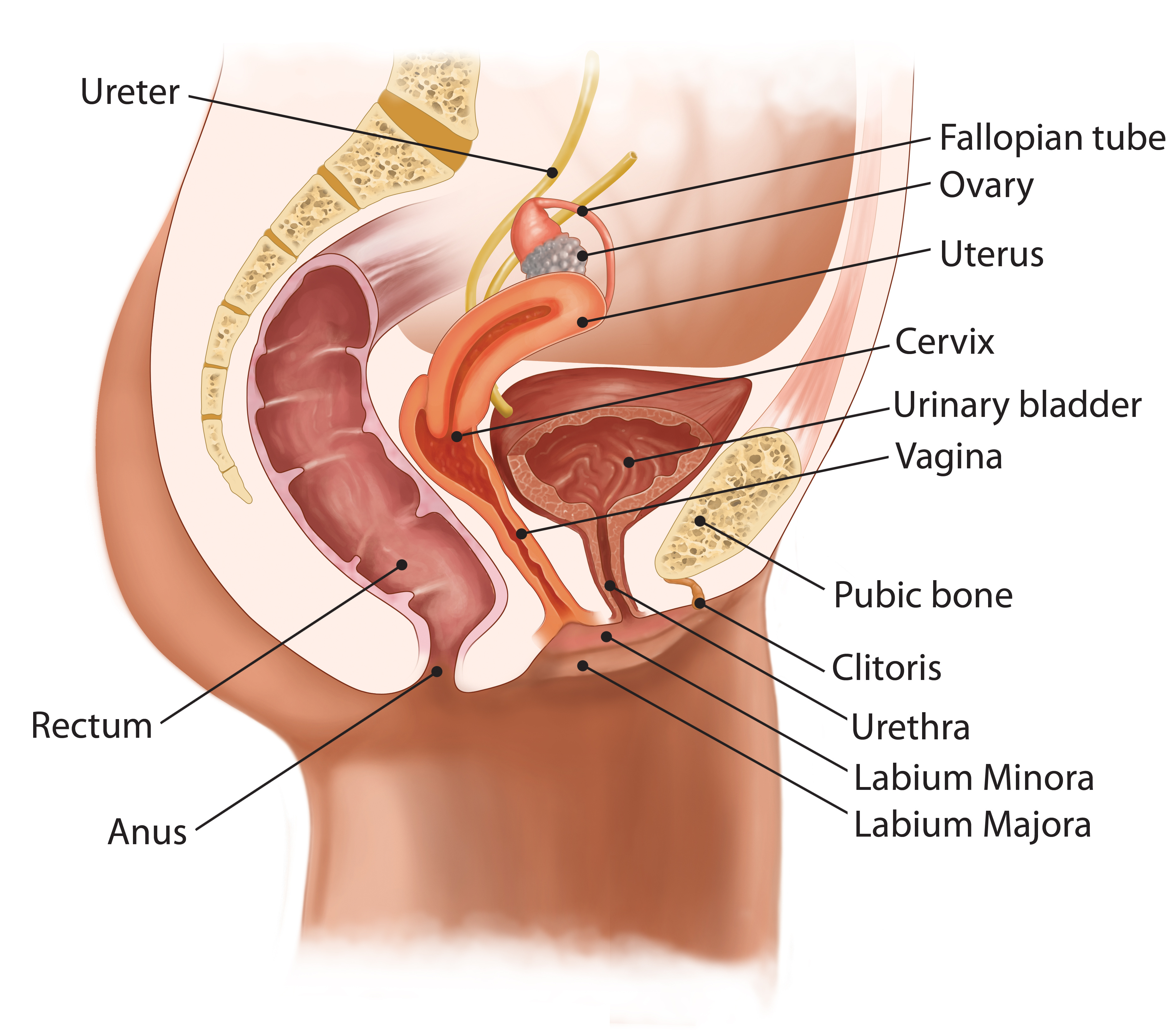
Female Urinary System.

Underlying Problems

But frequent urination is often a sign of an underlying medical pathology, most often a urinary tract infection or cystitis (an inflammation of the bladder) that can affect either sex although it most common in women.

Wednesday, June 1, 2016

Excitotoxins in foods

The Most Common Excitotoxins

The most common excitotoxins are aspartame and monosodium glutamate (MSG).
Glutamate also happens to be the most commonly used neurotransmitter by the brain, but don’t let that fool you into thinking it’s safe to ingest. It’s not. That’s because the body produces glutamate only in tiny concentrations, whereas when you consume glutamate as an additive in your food, its concentration is significantly higher. And that’s just too much excitement for your brain (and your whole body).
“Excitotoxins cause a brain cell to become very excited and your neurons basically fire spastically until they finally burn out,” Lippman explains. But far worse is the neural death that occurs several hours after this this spastic neural firing. Yes, the neurons simply die, as if they’ve been literally excited to death. Once you lose those neurons, they are gone for good. The damage cannot be repaired.
Excitotoxins also generate extreme levels of free radicals that cause additional cell death. Dr. Russell Blaylock, author of the 1995 book Excitotoxicity: The Taste that Kills, has researched and written extensively on excitotoxins. In 2007, he wrote in his Blaylock Wellness Report: “Newer studies have shown that feeding MSG to animals not only dramatically increases the free radicals and lipid peroxidation products in the walls of their arteries, the increase lasted for what would be the equivalent of decades in humans.” In addition, these chemicals can cross the placental barrier, possibly harming the brains of unborn children.
Blaylock says that we now “know that the excitotoxic process plays a major role in many life-threatening maladies.” He cites possible associations between excitotoxins and a slew of serious health conditions, including:
• strokes
• brain injury
• brain tumors
• degenerative brain diseases (Alzheimer’s, Parkinson’s, and Lou Gehrig’s disease)
• meningitis
• neurological Lyme disease
• encephalitis
• schizophrenia

A Taste of Things to Come

Unfortunately, the practice of adding dangerous excitotooxins to food is completely legal and has grown increasingly common since these chemicals were first introduced into our food supply in 1945.
Associate professor of Japanese history and culture Jordan Sand details the pathway of these taste-spiking chemicals after their development by the food industry shortly after World War II. That’s when researchers isolated MSG from the Japanese seaweed kombu. The process of isolating MSG involves stripping away the healthy components of the kombu, including the enzymes and minerals. The MSG that remains is many times, perhaps even thousands of times, more concentrated than the glutamate that would be naturally occurring in the seaweed.
Today, MSG shows up in virtually all prepared foods, including restaurant food. This is true even for restaurants whose menus proudly proclaim that they add no MSG. That’s because restaurants don’t need to add MSG — it’s already loaded plentifully into the food they get from their suppliers.
According to Blaylock, Americans are practically drowning themselves in MSG, with a generous chaser of aspartame. The artificial sweetener is derived from the amino acid aspartate and used to sweeten diet sodas and coffee — blue and pink packets — and sugarless candies and gum. Since the 1980s, Blaylock claims, Americans have consumed 282,000 metric tons of MSG and 800 million pounds of aspartame. “The amount of MSG consumed every decade doubles. Both are excitotoxins and are found in foods, drinks, medications, vaccines, and even fertilizers,” he says.

Unappetizing Research

From the moment excitotoxins first hit the market, research scientists have been sounding the alarm. The first truly damning studies came in 1957, when, Blaylock says, “a couple of curious researchers were conducting an experiment to see if (glutamate) could help repair a diseased retina. They fed rats the glutamate (also called glutamic acid) in the form of MSG. What they found shocked them. The retinal cells that allow vision had been swept away as if by a great windstorm. They reported their findings in an obscure ophthalmology journal, where it was quickly forgotten.”
Despite being swept under the medical rug, these opthamology studies were not trivial. To the contrary, they were groundbreaking, and should have, in the view of many of today’s experts, been show-stoppers.
“Initial studies on mice showed that MSG destroyed the cells in the retina of the animal’s eyes,” Blaylock says. “Further studies showed that this applied to the whole brain. One dose of MSG could destroy the sensitive cells in the hypothalamus, which is a tiny organ in the brain very important for hormonal function and directing other processes in our bodies.”
Notably, experts don’t believe that excitotoxins are the direct cause of neurological diseases like Parkinson’s or Alzheimer’s, but research does show that excitotoxins increase one’s susceptibility to these diseases. Furthermore, as Blaylock explains, excitotoxins are known to cause migraines, seizures, neurological disorders, blurred vision, increased appetite, overeating, infertility and reproductive disorders, impaired brain function, cancer, and heart and cardiovascular damage. And other researchers speculate that up to 90 percent of migraine headaches could be linked to exposure to excitotoxins and other additives, and to other food allergies.
Children in utero, infants, and young kids who are rapidly developing are especially prone to damage from exposure to excitotoxins. “The younger the child, the greater the potential damage,” Lipmann says. “This is particularly significant when we consider how many pregnant women get these chemicals in the processed foods they eat.”

FDA: Blind Eye, Deaf Ear

Despite the tireless efforts of many — and despite reams of truly shocking research — the FDA has staunchly resisted taking action against aspartame or MSG. Indeed, the FDA has even resisted efforts to require clearer food labeling for excitotoxins. “After this (research) became available, food companies continued to use MSG, and the FDA did nothing about the potential damage to babies … until Congress intervened,” Lipmann says. “So the companies stopped using straight MSG and started using hydrolyzed vegetable protein instead.”
In practical terms, this means that food companies are deliberately adding dangerous chemicals to the food they sell in order to stimulate your hunger and disturb your natural appetite control. And they’re doing so with the full complicity of the FDA, the very agency charged with protecting the public from just this sort of profit-driven and health-harming manipulation. Yet, the reality is that the research against excitotoxins is too compelling and too longstanding to be ignored.
Dr. Carolyn Dean is a medical doctor, nutrition expert, and author of Future Health Now Encyclopedia. She argues that the root of the problem is the American food industry, which would find it difficult or impossible to get rid of excitotoxins in food. Instead, she says , the food industry tells us and the FDA that excitotoxins are safe. Unfortunately and not surprisingly, nearly all the excitotoxins research conducted in the United States is funded by the companies who use excitotoxins in their products, an obvious conflict of interest. Many critics also point out that the FDA itself is strongly influenced by food industry ties.
In fact, as far back as 1981, the FDA’s own doctors recommended that aspartame shouldn’t be approved based on the studies of mice exhibiting brain tumors. Dr. Adrian Gross, former FDA toxicologist, testified before the Senate on the aspartame issue, stating, “It is clear beyond any shadow of a doubt that aspartame has caused cancer in laboratory animals.” Unfortunately, it didn’t make a difference. The recommendation fell on deaf ears.
Today, this health-harming substance, just like MSG, is totally legal in the United States.

Protect Yourself From Toxic Excitement

You may think that if you’re a natural foods devotee, you’re avoiding exposure to excitotoxins. Sadly, that’s just not the case.
Today, more than 70 excitotoxins lurk in most packaged and processed foods, including soups, sauces, gravy mixes, frozen dinners, diet foods, beverages, chips, and fast foods. The main culprits are MSG, aspartame (NutraSweet), cysteine, hydrolyzed protein, and aspartic acid.
Unfortunately, MSG goes by at least 30 different names on food labels, including, as I mentioned, the simple and oh-so-harmless-seeming word, “spice.” Lippman’s office provides a handout with a detailed list of hidden names for excitotoxins.
For now, we clearly can’t rely upon so-called “watchdog” agencies like the FDA to keep excitotoxins out of our food and off of our dinner tables. Instead, we need to actively screen our purchases. This requires compulsive label reading to spot excitotoxins in all their guises, including the “natural flavoring” listed suspiciously on a popular brands of “organic” vegetable stock and upscale, natural salad dressing.
Once you adjust to reading labels for food additives, it does get simpler to avoid these chemicals. And remember, how we spend our money (or more importantly, how we don’t) is often the most effective form of protest.
Consumer demand drives continued production of so many foods containing excitotoxins — and that means consumers can force a change. But even if you don’t think that kind of change is likely, you can still protect yourself and your family.

Buffering Yourself In An Excitotoxic World

By far, most important thing you can do to avoid excitotoxins is to avoid processed food and keep reading those labels obsessively. Once you get a handle on offending products, you can cross off them off your shopping list and replace them with better alternatives. For example, raw organic honey or stevia make great sweeteners, and you can bring these with you when you eat out.
In addition, nutritionists — including Lippman — recommend several natural supplements you can take to increase your body’s ability to protect itself from excitotoxins, including magnesium, omega-3 fatty acids, red clover, and, of course, antioxidants.
How much magnesium is the right amount depends on the person. Dean has found that the average effective dose in her patients is 600 to 700 milligrams daily, almost double the USRDA. And some of her patients need three to four times that much to experience benefits. “Eventually you’ll need less; when you have enough in your body, you get a laxative effect, which isn’t dangerous,” says Dean, who also recommends a balance of other minerals: “One-quarter or one-eighth teaspoon of good sea salt in every 16 ounces of water that you drink is ideal because that gives you a good amount of 72 trace minerals.”
Ultimately, we must keep raising our voices for political action. We can’t give up, even when we can’t control the outcome. Meanwhile, we can control what we choose to purchase and ingest. Money speaks, and so do our intentions. Ultimately, the fastest and most powerful way to stop the flood of excitotoxins into our food supply may be to strive, whenever and however possible, to withhold our dollars from this toxic marketing scheme.

Tuesday, May 31, 2016

Natural 911

WHY YOU NEED TO CLEANSE
We are a nation of constipation, stagnation, putrefaction, fermentation, and autointoxication. Medical doctors report that less than 50% of Americans have a daily bowel movement, and, in fact, there is no medical reason to have a bowel movement every day. The National Digestive Disease Information Clearinghouse states that three bowel movements a day to three a week are normal, while the FDA reports that the average American male may be carrying an unbelievable 5 to 22 lbs. of fecal matter in him on any given day.
The European Journal of Cancer reported in 2004 that constipation raises your risk of colon cancer. But few people realize that there are two types of constipation. The first type is infrequent elimination or when you cannot have a bowel movement. The other type of constipation, of which most people are unfamiliar, is when the colon wall becomes encrusted with hardened mucus and fecal matter narrowing the aperture of the colon and resulting in pencil-like stools. This is called mucovicidosis or intestinal mucin, and can have the consistency of truck tire rubber and be the home of parasites.
colon_mucus.jpgAs the director of BellaVita Lifestyle Center, I have witnessed many people pass black, hard ropes in only a few days. I explain to every guest the power of colon cleansing for removal of the old material from the colon that can be years old. One nurse gasped: “I have been a nurse for 19 years and I have never seen anything like this pass from a human body.”
So why should we cleanse? I think the answer is obvious. When the body takes in toxins faster than it can eliminate them, symptoms develop producing disease. In order to prevent and reverse disease, we must FIRST detoxify all the elimination organs of the body: the bowel, liver, kidneys, lungs, skin, blood, and lymph, and regenerate the body. This is the foundational program for healing. When the toxins are removed from the body and tissues, WHAT NEEDS TO HEAL HEALS. Many different symptoms that you would never associate with a toxic condition of the colon improve or disappear.

keep yourself clean inside

Health Alert

Internal cleansing vs. feeling sluggish, tired and bloated? Many researchers, including Nutraceutical Formulator and Natural Health Expert Klee Irwin, believe that there are five factors to blame for sluggishness, tiredness and bloating:
  1. Environmental toxins can contribute to feeling sluggish, tired or bloated.poor eating habits/nutrition
  2. environmental toxins
  3. organisms that cause disease
  4. trauma to the immune system
  5. stress
Of these, toxins seem the most daunting and the factor most beyond your control. Klee Irwin, as a Natural Health Expert and Nutritional Supplement Formulator, finds people are constantly asking whether there is anything they can do to rid the body of chemicals and contaminants that come in from air, water and food systems.  The public need for such a health product inspired Klee Irwin to develop Dual Action Cleanse.  Klee Irwin's primary Dual Action Cleanse product has successfully been on the market for approximately 15 years, with hundreds of thousands of satisfied customers.  Moreover, consumer preference for Klee Irwin's brand is fueling his research into the creation and development of Dual Action Diet Cleanse.  Klee Irwin's personal focus is to respond to the public interest in natural health care; hence, the creation of Dual Action Cleanse for internal cleansing.

According to health experts, including Klee Irwin, the Nutraceutical Formulator for Dual Action Cleanse...

You can help cleanse your body of poisons by employing several at-home strategies. Consider the following options:
  • eating whole, organic foods that contain little if any pesticides
  • drinking enough clean water, bottled or filtered, which contains fewer toxins (it also helps to cleanse the body)
  • employing spiritual practices, such as yoga and meditation, which enable you to reduce stress and maintain optimum blood circulation
  • supplementing your food with key nutrients, including Cascara Sagrada, Psyllium, Fennel, Slippery Elm and Milk Thistle.  Dual Action Cleanse features these key ingredients.

The Medical and Natural Health Communities
Tell Us Why You Need Internal Cleansing:
Garbage In, Garbage Out

According to immunologists, your body's autoimmune system is constantly being assaulted by these five key factors: (1) poor eating habits/nutrition, (2) environmental toxins, (3) organisms that cause disease, (4) trauma to the immune system and (5) stress. Of these, toxins seem the most frightening, the cause over which you have no power to change. Echoing the concerns of many of today's leaders, Klee Irwin asks, "After all, what can you do about the thousands of chemicals and pollutants that fill our air, water and food supplies?"
Even with new measures enacted by the U.S. government, the problem doesn't seem to be getting better. The EPA and other health organizations have directly linked environmental poisoning from petrochemicals to skin problems, poor liver and kidney functioning, sluggish digestion, lack of energy, central nervous system difficulties and more. The good news is that you can do something - including simple dietary changes and the addition of natural supplements - to help your body fight back against toxicity and regain the light and energetic feelings of youth.  This is the impetus for the development of Dual Action Cleanse, a formulation based on years of research and testing to maximize the benefits of internal cleansing.