Wednesday, November 14, 2018

Organic Pizza
You will need:
A Pizza Stone (Recommended)
Hand Mixer or a Blender
Pizza Cutter
Sauce
4-5 Organic Tomatoes, washed and chopped up
8-10 Cloves of Organic Garlic
2.5-3 Tablespoons of Chopped Green Onion
3 Teaspoons of Sea Salt, or Pink Himalayan Salt
2 Teaspoons of Organic Italian Seasoning
2 Jars of Bionaturae Organic, Salt Free Tomato Paste
Dough
3 Cups of Bobs Red Mill 1 to 1 Gluten Free Baking Flour
1 Teaspoon of Bobs Red Mill Xanthan Gum
3/4 Teaspoon of Salt
1 Teaspoon of Yeast (Fleischmann's or Red Star)
1 Tablespoon of Coconut Oil
1 Cup of Water (Plus a little More if needed while mixing)
Arrowhead Mills Organic Gluten Free Yellow or Blue Corn Meal
Monday, November 12, 2018
11 Natural Home Remedies for Canker Sores
11 Natural Home Remedies for Canker Sores
If you suffer from canker sores, you know how painful they can be. Repeated canker sores can hinder your quality of life. They make talking, eating and swallowing difficult. It can be surprising just how much such a small sore can hurt!
Canker sores can be caused by a variety of issues. In this article, we detail the most common causes of canker sores. We follow with a short list of general advice for those who suffer from this problem. Finally, I’ll show you eleven natural home remedies for canker sores. These remedies are a way for you to use natural dentistry. They can really help ease your pain.
What is a canker sore?
Canker sores are also called aphthous ulcer. Similar to peptic ulcers that occur in the stomach, they are painful blisters of the mouth. Often presenting on the inside of lips, side of the tongue. You may also get them on inside of cheeks and on the gums. When you see them, they are usually white or yellow in the center, surrounded by a ring of red, inflamed soft tissue.
Patients who suffer from canker sores usually report stressful situations in their home or work life. Women tend to suffer from canker sores more than men do. They may also be hereditary. If a family member has canker sores, you are more likely to have them as well.
What causes canker sores?
Canker sores have many causes. These can include:
- Stress – our emotional state can really affect our health. When you have too much stress in your life, can weaken your immune system. Digestive imbalance can lead to acid reflux which can relate to canker sores.
- Minor injuries – Your gums and lips are easily bruised or cut. When you are brushing your teeth, you need to be careful. Aggressive teeth brushing can lead to canker sores. So too can a sports injury or a bite to the inside of your cheek while sleeping or eating.
- Sodium Lauryl Sulfate (SLS) – This chemical additive to toothpastes and mouthwash has been linked to canker sores. If you suffer from canker sores you should remove toothpastes containing SLS.
- Food sensitivities and allergies – If you have a sensitivity or allergy to food, this can upset the immune response in the mouth. The most common culprits are strawberries, eggs, chocolate, nuts, coffee, and cheese.
- Vitamin deficiencies – If you are lacking certain vitamins and minerals in your daily diet, it can show up in your mouth. This is especially the case for folic acid, iron and vitamin B-12.
- Hormonal changes – Many women suffer from an increase in canker sores before and during menstruation.
General home advice for canker sores
When you have a canker sore in your mouth, it can be really painful and irritating. Every time you eat or talk, you will feel pain. You can make your canker sore worse in a few ways. As a general guide:
- Do not poke at the canker sore with your tongue
- Limit spicy and acidic foods
- Drink plenty of water and stay hydrated
- Eat nutritious foods
- Practice calming exercises and meditate to limit stress
- Take vitamins on a regular basis
- Take care when brushing your teeth and eating
11 natural home remedies for canker sores
If you are currently suffering from a painful canker sore, these eleven household remedies may provide relief.
1) Swish with Salt water
Salt water is a natural disinfectant. It can be a great natural remedy for canker sores. At the first sign of a canker sore, swish with salt water. This will relieve your pain and speed up the healing process.
Dissolve 1 teaspoon of sea salt or another natural salt in half a cup of warm water. Swish around in your mouth for 30 seconds. Spit, and then rinse your mouth with fresh water.
2) Add Fenugreek leaves
Fenugreek is a delicious ingredient in many curries. However, its leaves have many healing benefits. Research shows that fenugreek may have applications in natural dentistry.
Fenugreek can boost your immune system. It is filled with many vitamins and minerals. This includes riboflavin, zinc iron, vitamin C, calcium, carotene, phosphorous and more.
To get fenugreek into your diet, you can add the leaves to food. For a more direct application to canker sores, place 1 teaspoon of fenugreek seeds into one cup of cold water. Swish this mixture around your mouth.
3) Eat Basil
Basil is delicious in sauces, in salads, and on pizza. It is used all over the world in different recipes. But did you know it is also a valuable ingredient for natural dentistry?
Studies have shown that basil has anti-microbial properties. It may also prevent infections and help to calm canker sores.
To get more basil into your diet, add the fresh leaves to your meals. Chew on the leaves in between meals. You can also soak the leaves in hot water and use this as a mouth wash.
4) Use a Dash of Cayenne
When you have a canker sore, you probably want to avoid spicy foods. After all – spicy foods can really irritate canker sores and make them even more painful! But properties in certain spices like cayenne pepper may help soothe canker sores.
Cayenne pepper is full of a chemical called capsaicin. Capsaicin makes chili and cayenne spicy. It can also inhibit substance P, a chemical in the body that causes inflammation. Studies also show that it can inhibit bacteria growth. Capsaicin may be a great home remedy for canker sores.
To use cayenne for a canker sore remedy, add some cayenne and add water to make a paste. Use a cotton swab to apply this paste to your canker sore. Apply this 2 to 3 times a day. This will help with pain relief and healing.
5) Rinse with Baking Soda
Baking soda is an alkaline base. It can neutralize the acids in your mouth that can irritate your canker sore. Baking soda will also kill bacteria in your mouth. This will help your canker sore heal more quickly.
Mix 1 teaspoon of baking soda in half a cup of warm water. Swish and rinse your mouth with this mixture. To finish, rinse with fresh water.
6) Eat Cultured Probiotic Yogurt
Probiotic yogurt is filled with good bacteria. Beneficial bacteria replenish your oral flora and may help treat canker sores. The friendly bacteria in probiotic yogurt will improve your stomach and intestinal health. This, in turn, improves the health of your mouth. The cool nature of yogurt can also help to calm and soothe the pain.
Eat cultured, probiotic yogurt on a daily basis to help with canker sores.
7) Apple Cider Vinegar
Apple cider vinegar is often touted for its health benefits. It’s a rich source of acetic acid. This acid may help to curb bad bacteria while maintaining healthy oral flora. Balancing the oral microbiome can help cure your canker sores.
In order to get more apple cider vinegar into your diet, include it in your salad dressings or in cooking. You can also make a homemade mouthwash. Mix a tablespoon of apple cider vinegar into a glass of water and swish in your mouth.
Afterward, you can swallow this mix. The vinegar is good for the digestive system as well as your mouth. Make sure to dilute apple cider vinegar, as the low pH can cause acid erosion.
8) Take Zinc Supplements
If you suffer from canker sores on a regular basis, you might have a zinc deficiency. Taking zinc supplements can give you some relief. Taking zinc supplements has been shown to reduce canker sores by between 50 to 100 percent.
Taking a high-quality zinc lozenge twice per day can heal your canker sores. Zinc lozenges can also help prevent them in the first place. Speak to your doctor or dentist before starting a regime of zinc lozenges.
9) Drink Chamomile Tea
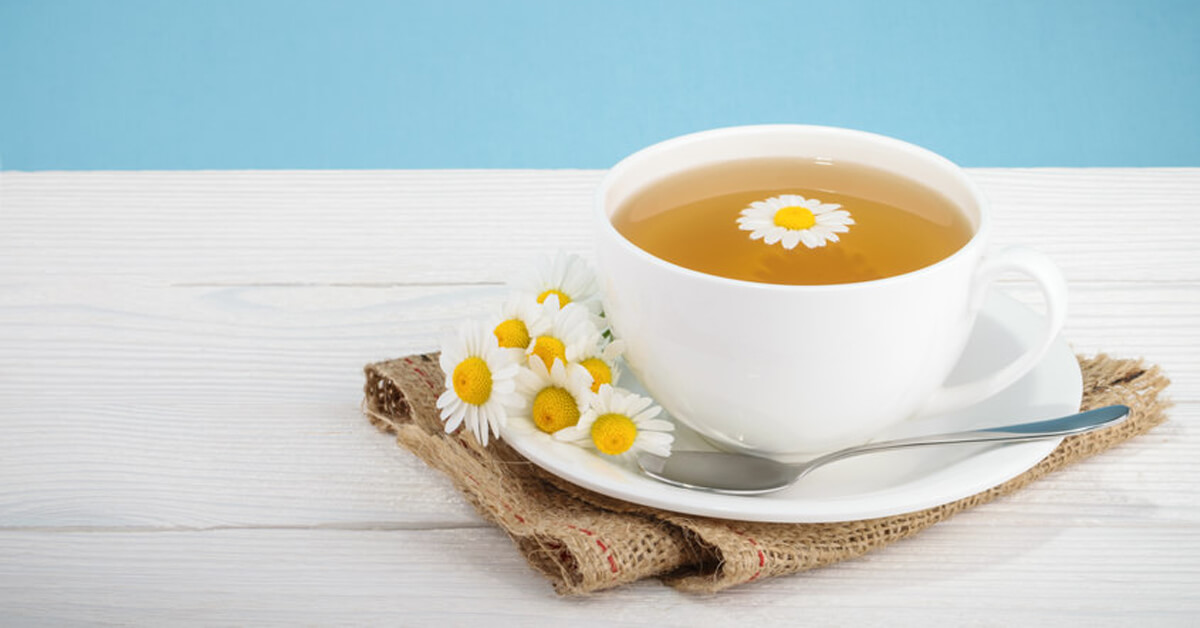
Chamomile is good for more than just a pre-bedtime tea. It contains different daisy-like plants, and they can help relax you and aid healthy digestion. It has been shown to contain chemical compounds that have antiseptic abilities.
Chamomile may have soothing results for canker sores. It can also help speed up healing time. You can try chamomile by drinking warm tea or placing a chamomile tea back on the sore.
10) Use Sage
Sage is a delicious herb often added to gravies, soups, and sauces. It is a part of the mint family. Many natural dentistry remedies include sage. Sage has anti-oxidant and anti-microbial properties that may help the oral flora. It may help to balance the immune system and help to heal canker sores.
Mix a handful or fresh sage or 2 teaspoons of dried sage with a cup of water. Swish and rinse your mouth for 60 seconds.
11) Try Clove Oil
Clove oil is a valuable natural remedy for canker sores. The active ingredient is eugenol, which acts as a painkiller. Dentists have long used clove oil to help their patients. Clove oil can be applied directly to canker sores for relief. You can also make a mouth rinse from clove oil.
First, swish your mouth with salt water. Then apply a half teaspoon of olive oil to a cotton ball. Top this off with 4 or 5 drops of clove oil. Apply the cotton ball directly to your canker sore for up to 10 minutes. This will give you pain relief and numb the area.
How did these natural dentistry remedies work for you? Please leave your comments below.
Did you enjoy this article? For more information on the mouth-body connection, you can subscribe to my newsletter.
Wednesday, October 17, 2018
How Caffeine Affects Eyesight
How Caffeine Affects Eyesight
If you are like most people in the world, then the first thing you do in the morning is drink a cup of coffee. In fact, of nearly 3,000 adults interviewed in the United States this year, 64 percent have consumed coffee within the past day. But, have you ever wondered what that jolt of caffeine is doing to your body? Besides perking you up in the morning and giving you a pick-me-up in the evening, caffeine can have some negative effects on your body if you’re overdoing it.
That’s probably the last thing you want to hear, but it’s true. Caffeine has been linked to numerous diseases and health issues. The most surprising effect that caffeine has on your body is that it can severely harm your eyesight. But, is caffeine so awful that you should stop drinking your morning cup of Joe?
Basic Info About Caffeine
We’ve all heard it, caffeine is natural. That means that it’s okay to consume, right? Wrong, caffeine might be natural, but so is gasoline if you really want to get down to the nitty gritty, and you wouldn’t consume gasoline.
You can find caffeine in cocoa beans, coffee beans and even tea. It’s classified as a stimulant. This means that once introduced into your body, it will stimulate your mind and your body, and you give that boost of energy that you long for.
As a stimulant, it’s super effective. Often times, only one cup of strong coffee will wake you up from a dead sleep. However, it also has some adverse side effects if you drink too much. The more caffeine you drink, the more anxious you’ll feel. The more jitters you’ll get, and you might not be able to sleep until it’s out of your system. Despite these effects, many people still drink their morning coffee or tea every day without a second guess.

Caffeine and Your Eyesight
One adverse side effect of caffeine that many people don’t know about is the increased risk of glaucoma. In the first ever study to examine the link between caffeinated coffee and exfoliation glaucoma in a U.S., which was only published six years ago, it was found that people who consume large amounts of caffeine put themselves at a higher risk of losing their vision. This study was huge because it examined nearly 79,000 women and over 41,000 men over the age of 40 who did not have glaucoma and had been getting regular eye checks since the 80s.
Researchers found that participants who reported drinking three cups or more of caffeinated coffee per day were at a higher risk of developing exfoliation glaucoma. The results were interesting in that they linked coffee consumption to exfoliation glaucoma and ruled out other drinks that contained caffeine. This showed researchers that a particular compound that is found in coffee, when mixed with caffeine, can cause glaucoma.
But, new research is always being published and since that study, there’s been evidence that moderate coffee drinking might not have any effects. What’s even more interesting is that other caffeinated drinks, specifically tea, might even lower the risk of developing glaucoma.
However, other caffeinated beverages and food products still can cause you to be super jittery and hyper. They also can cause heart palpitations, blood sugar drops and anxiety. Food and drinks high in sugar can still lead to glaucoma.
Should You Stop Drinking Coffee?
You’re probably wondering after reading this if you should quit drinking coffee each morning. The short answer is no. Even though caffeine is a drug, and it does have some adverse side effects, it isn’t inherently bad for you. In fact, coffee contains other ingredients that are beneficial to your eyes, like chlorogenic acid. The study discussed above recommended coffee drinkers limit their intake, not rule it out altogether.
One to two cups of coffee a day should give you the jolt that you need to wake up and keep your energy level stable throughout the day. If you’re an avid coffee drinker and consume multiple pots of the liquid gold per day, then you might want to consider cutting back.
Even though eye conditions caused by caffeine intake are seemingly rare, they do occur along with many other health issues. Moderation is key, so it would be best to cut back. But, start slow because you could suffer from withdrawal symptoms if you stop drinking coffee cold turkey. If you do notice a change in your vision after consuming excessive amounts of coffee, call your doctor.
Saturday, October 13, 2018
Higher levels of urinary fluoride associated with Attention Deficit Hyperactivity Disorder (ADHD) in children
OCTOBER 13, 2018
Dear Robert:
Below is a press release sent out by the University of Toronto Dalla Lana School of Public Health on their latest study of fluoride's neurotoxicity; see study:
Please read, and share the following press release with your local media outlets.
October 2018
Higher levels of urinary fluoride during pregnancy are associated with more ADHD-like symptoms in school-age children, according to University of Toronto and York University researchers.“Our findings are consistent with a growing body of evidence suggesting that the growing fetal nervous system may be negatively affected by higher levels of fluoride exposure,” said Dr. Morteza Bashash, the study’s lead author and researcher at the Dalla Lana School of Public Health.
The study, “Prenatal Fluoride Exposure and Attention Deficit Hyperactivity Disorder (ADHD) Symptoms in Children at 6–12 Years of Age in Mexico City,” published today in Environment International, analyzed data from 213 mother-child pairs in Mexico City that were part of the Early Life Exposures in Mexico to Environmental Toxicants (ELEMENT) project, which recruited pregnant women from 1994 to 2005 and has continued to follow the women and their children ever since.
Tap water and dental products have been fluoridated in communities in Canada and the United States (as well as milk and table salt in some other countries) by varying amounts for more than 60 years to prevent cavities. In recent years, fierce debate over the safety of water fluoridation — particularly for children’s developing brains — has fueled researchers to explore the issue and provide evidence to inform national drinking water standards.
The research team — including experts from the University of Toronto, York University, the National Institute of Public Health of Mexico, University of Michigan, Indiana University, the University of Washington and Harvard School of Public Health — analyzed urine samples that had been obtained from mothers during pregnancy and from their children between six and 12 years of age to reconstruct personal measures of fluoride exposure for both mother and child.
The researchers then analyzed how levels of fluoride in urine related to the child’s performance on a variety of tests and questionnaires that measure inattention and hyperactivity, and provide overall scores related to ADHD. Analyses were adjusted for other factors known to impact neurodevelopment, such as gestational age at birth, birthweight, birth order, sex, maternal marital status, smoking history, age at delivery, education, socioeconomic status and lead exposure.
“Our findings show that children with elevated prenatal exposure to fluoride were more likely to show symptoms of ADHD as reported by parents. Prenatal fluoride exposure was more strongly associated with inattentive behaviours and cognitive problems, but not with hyperactivity,” said Bashash.
This work builds off of previous research the team published on this population demonstrating that higher levels of urine fluoride during pregnancy are associated with lower scores on tests of IQ and cognition in the school-age children.
ADHD is the most common psychiatric disorder diagnosed in childhood, affecting between five and nine percent of all school-aged children.
“The symptoms of ADHD often persist into adulthood and can be impairing in daily life,” said Christine Till, Associate Professor of Psychology at York University and co-author on the study.
“If we can understand the reasons behind this association, we can then begin to develop preventive strategies to mitigate the risk,” said Till, who is also the principal investigator of another National Institutes of Health-funded grant examining fluoride exposure in a large Canadian sample of pregnant women.
The National Institute of Environmental Health Sciences, part of the National Institutes of Health (NIH), funded this study.
Sunday, October 7, 2018
10 Day Detox – Ways to Detoxify Your Body
10 Day Detox – Ways to Detoxify Your Body
 WHY YOU NEED TO CLEANSE
We are a nation of constipation, stagnation, putrefaction, fermentation, and autointoxication. Medical doctors report that less than 50% of Americans have a daily bowel movement, and, in fact, there is no medical reason to have a bowel movement every day.The National Digestive Disease Information Clearinghouse states that three bowel movements a day to three a week are normal, while the FDA reports that the average American male may be carrying an unbelievable 5 to 22 lbs. of fecal matter in him on any given day. The European Journal of Cancer reported in 2004 that constipation raises your risk of colon cancer. But few people realize that there are two types of constipation. The first type is infrequent elimination or when you cannot have a bowel movement. The other type of constipation, of which most people are unfamiliar, is when the colon wall becomes encrusted with hardened mucus and fecal matter narrowing the aperture of the colon and resulting in pencil-like stools. This is called mucovicidosis or intestinal mucin, and can have the consistency of truck tire rubber and be the home of parasites.  As the director of BellaVita Lifestyle Center, I have witnessed many people pass black, hard ropes in only a few days. I explain to every guest the power of colon cleansing for removal of the old material from the colon that can be years old. One nurse gasped: “I have been a nurse for 19 years and I have never seen anything like this pass from a human body.” So why should we cleanse? I think the answer is obvious. When the body takes in toxins faster than it can eliminate them, symptoms develop producing disease. In order to prevent and reverse disease, we must FIRST detoxify all the elimination organs of the body: the bowel, liver, kidneys, lungs, skin, blood, and lymph, and regenerate the body. This is the foundational program for healing. When the toxins are removed from the body and tissues, WHAT NEEDS TO HEAL HEALS. Many different symptoms that you would never associate with a toxic condition of the colon improve or disappear.
As the director of BellaVita Lifestyle Center, I have witnessed many people pass black, hard ropes in only a few days. I explain to every guest the power of colon cleansing for removal of the old material from the colon that can be years old. One nurse gasped: “I have been a nurse for 19 years and I have never seen anything like this pass from a human body.” So why should we cleanse? I think the answer is obvious. When the body takes in toxins faster than it can eliminate them, symptoms develop producing disease. In order to prevent and reverse disease, we must FIRST detoxify all the elimination organs of the body: the bowel, liver, kidneys, lungs, skin, blood, and lymph, and regenerate the body. This is the foundational program for healing. When the toxins are removed from the body and tissues, WHAT NEEDS TO HEAL HEALS. Many different symptoms that you would never associate with a toxic condition of the colon improve or disappear.
Subscribe to:
Posts (Atom)