Sunday, January 31, 2016

The Dangers of Psychiatric Drugs

Psychiatric Drugs: More Dangerous Than You Ever Imagined
(A New Video)

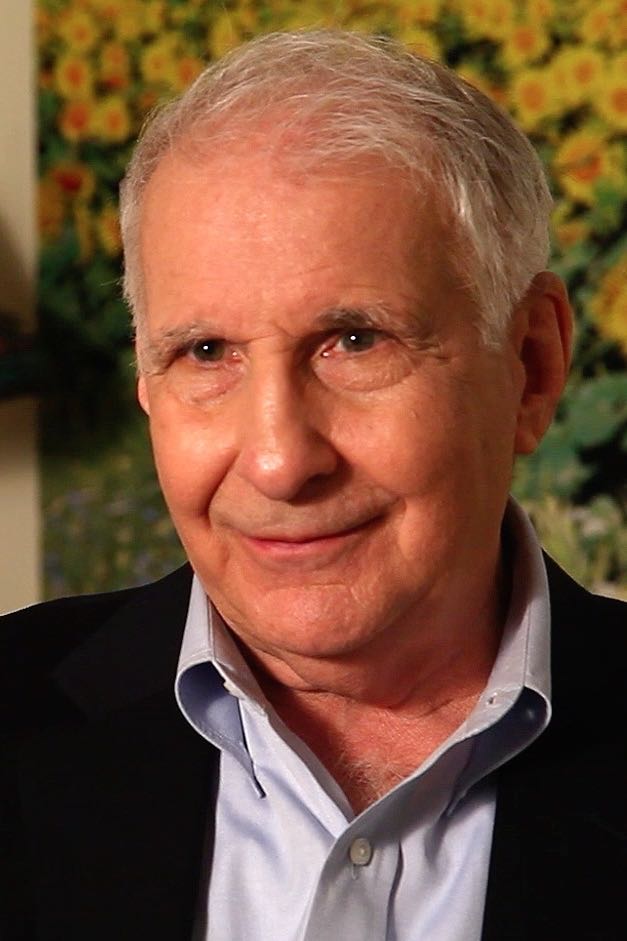
Peter Breggin, MD

Peter Breggin, MD
We are facing a tragedy of enormous proportions!  Psychiatric drugs of every kind are exposing people to long-term risks of a declining quality of life, apathy, chronic disability, and even shrinkage of the brain.  When they try to withdraw from the drugs, they are likely to find themselves afflicted with new symptoms of drug-induced harm that the medications were suppressing.   Then they may find it physically and emotionally painful, and even dangerously unsafe, to withdraw from these psychoactive medications.

Psychiatric Drugs are More Dangerous than You Ever Imagined is the newest video in my series of Simple Truths about PsychiatryIt provides a simple, direct and inescapable warning about this epidemic of harm induced by psychiatric drugs.  It underscores my conclusions from many decades of scientific research, most recently described and documented in Brain-Disabling Treatments in Psychiatry, Second Edition (2008) and Psychiatric Drug Withdrawal: A Guide for Prescribers, Therapists, Patients (2013).  To that accumulating data and analysis, I would add Bob Whitaker’s landmark scientific discussion of drug-induced disability in Anatomy of an Epidemic (2010).  The video sounds a necessary alarm about this growing tragedy, involving millions of people and their families, who never foresaw the disabling results of taking psychiatric drugs and giving them to their children.
Peter Breggin, MDThe Breggin Blog: The Conscience of Psychiatry: Dr. Breggin has been called "The Conscience of Psychiatry" for his decades of successful efforts to reform the field. He criticizes psychiatric drugs and ECT, and promotes more caring, empathic and effective therapies. His newest book is Guilt, Shame and Anxiety: Understanding and Overcoming Negative Emotions.

The Dangers of contact lenses

Dangers Of Contact Lens 1:
Blind As A Bat

If your glasses fall off, most likely you will see it once you tilt down your head.
But if you drop your contact lens, it might need some sort of miracle to find it again. 
Blind as bat!
0
After that, you will have to proceed on without your lens for the rest of the day.
Blinded in either one or two eyes.
And that seems to defeat the purpose of putting on contact lenses because you want clearer vision, isn’t it?


Dangers Of Contact Lens 2:
Diminished Corneal Reflex

Using contact lenses may cause a diminished corneal reflex in your eye.
Corneal reflex is a protective mechanism of our eye.
Testing Corneal Reflex
0
Whenever a slightest amount of pressure is applied to the cornea, our brain receives a signal to drop down the eyelids to protect our eye.
This is what causes your eyes to instinctively shut down when you are surprised by a flying object towards your eye. Like an insect fly appears out of nowhere or when someone tries to poke your eyes.
In short, your corneal reflex exists to protect your eyes from anything that may cause direct trauma to the eyes.
And by constant application of contact lenses to the eyes, you are teaching your body to ignore your natural corneal reflex.
Because of this you may dulling the eye's response to corneal reflex and this could lead to the eye being damaged because you couldn't shut your eyes fast enough when danger approached.


Dangers Of Contact Lens 3:
Dry Eyes

Contact lenses reduces amount of tears getting on our cornea.
Especially the soft lenses as they absorb most of our tears to keep itself soft.
The lack of tear exchange can cause dry eye syndrome which causes uncomfortable feeling such as itchiness, redness and burning sensation.
Danger of Contact Lens: Dry Eye
0
Severe dry eyes can lead to scarring of the cornea.


Dangers Of Contact Lens 4:
Corneal Abrasion

Contact lenses can scratch your cornea and causes corneal abrasion if they are not fitted properly or when your eyes are dry.
This is especially true if you are sleeping with contact lenses in. Abrasion can also happen when the lenses trap particles (such as dust, dirt and sand) and rub against your cornea.
Cuts and abrasion create opening for bacteria and virus to seep through, leading to eye infection which can result into vision loss.
Carelessness in handling your contact lenses during extraction and insertion can also increases your chance of scratching the cornea.


Dangers Of Contact Lens 5:
Conjunctivitis

Contact lenses, especially those worn through the night, provide a moist environment that is a potential breeding ground for microorganisms such as bacteria and viruses. 
Danger of Contact Lens: Conjunctivitis
0
And because less oxygen reaches the cornea when you are wearing the lenses, your body is not able to fight off infection caused by bacteria or viruses effectively.
Thus contact lens wearers are at higher risk of getting eye infection such as conjunctivitis (pink eye) and stye.
The most common type of conjunctivitis which contact lens wearers get is called giant papillary conjunctivitis (GPC) due to repeated irritation from the contact lenses.


Dangers Of Contact Lens 6:
Allergic Reactions

Contact lenses may increase the likelihood of you getting allergic reactions.
The presence of a contact lens could possibly trap allergens between the eye or under the lens, allowing them to stay on the eye longer.
Thus allowing more time for the allergic reaction to kick in.
Some people might experience allergic reactions from wearing contact lenses due to the preservative in the contact lens solution.
Such situation is usually rectified by prescribing a lens solution with different preservative.


Dangers Of Contact Lens 7:
Ptosis

Ptosis is a condition also known as drooling of the eyelids where affected individuals aren't able to fully open their eyes.
If you wear contact lenses, they may migrate into the lid tissues causes scarring and contraction of your eyelid tissues that result in a lid retraction.
Danger of Contact Lens: Ptosis on the right lid
0
This is especially true for hard contact lens wearers due to repeated stretching of the lid during lens removal.
Ptosis can also be caused by a severe giant papillary conjunctivitis.


Dangers Of Contact Lens 8:
Corneal Ulcer

A corneal ulcer is an open sore in the eye's cornea, caused by bacteria, fungus, viruses or  parasite infection.
If it is not treated quickly, corneal ulcer can cause permanent blindness.
Dangers of Contact Lens: Corneal Ulcer
0
By then, probably the only way to restore vision is through corneal transplant.
The most common cause of corneal ulcer is by a bacteria that lives in water called Psuedomonas.
About 12,000 contact lens users are affected by this infection every year. If you are infected with psuedomonas, this bug can eat into your cornea and destroy your sight within 24 to 36 hours.
As your cornea is intertwined with nerves, the invasion process is extremely painful.
A common symptom is green pus and pain, discomfort and light sensitivity after only a few hours.
Jennie Hurst was blinded in one eye after a quick swim in the hotel pool with her contact lenses in.
She caught a common parasite known as Acanthamoeba in between her contact lens and it penetrated her eyeball within days. 
Acanthamoeba
0
This organism can be found almost in all water bodies such as tap water, river water, sea, soil and swimming pool.
In United Kingdom alone, 75 people are infected with acanthamoeba each year.
To reduce the chances of getting corneal ulcer, it is important to upkeep hygiene when handling your contact lenses.
Follow your eye doctor’s instructions diligently for proper cleaning and do not use water or saliva to clean or lubricate your lenses.
And always remove the contact lenses before you getting into water whether you are bathing or swimming.


Afterword

I hope that you are convinced that contact lenses are in fact dangerous.
No matter what type, contact lenses can cause serious damages to your eyes. If you do need them for aesthetic purpose, don't wear them anymore.
The risks aren't worth it.
- See more at: http://www.improveeyesighthq.com/dangers-of-contact-lens.html#sthash.LCkAlan4.dpuf

Friday, January 1, 2016

keeping your New Year Resolution of loosing weight and keeping it off

So many of you out there have a New Year Resolution of loosing weight and keeping it off but a lot of you if not all of you don't follow through so let me help you with that this year. First you need to figure out how much weight you want to loose and keep your weight loss goal resoanable ok like 20lbs in a month or 2 and you can accomplish that if you are dedicated. 2nd you nee to set aside some time to dedicate accomplishing that goal like 2 hours a day everyday. Next you need to be dedicated to stay with your goal otherwise you are not only wasting your time but you will also never reach your goal. Next during this process you need somebody with you to motivate you every step of the way (You see positive motivation is the one of the many important keys to keeping a goal) so find some you trust to motivate you. Next you need to realize that even if you do all of that if you quit your favorite foods cold turkey like a lot of you think you need to do you'll never reach your goals because when you quit cold turkey on the foods you love you have to deal with the withdraw symptoms like the shakes, the jitters and the intinse cravings for that food and you have sabatoged all that hard work you already put in because you never gave your body enogh of a chance to get use to the fact that it won't have that compacted gunk in it's systom. But by slowly reducing you will give your body that chance and you won't have to deal with the withdraw symptoms. Next you need to eat organic and drink organic foods only because all of the other foods have toxins of some kind in them. And you need to go to a co-op natural grocery store or a farmers market or grow your own food through planting seeds. Oh on more thing for more advice on how to make this work go to www.amazon.com and order a copy of Kevin Trudea's cd "The last diet you'll ever need" and good luck!

Monday, December 21, 2015

Eating healthy during the holidays

With christmas just days away here are 10 tips for healthy eating.

Ten Tips for Healthy Holiday Eating

  1. Be realistic. Don’t try to lose pounds during the holidays, instead try to maintain your current weight.

  2. Plan time for exercise. Exercise helps relieve holiday stress and prevent weight gain. A moderate and daily increase in exercise can help partially offset increased holiday eating. Try 10- or 15-minute brisk walks twice a day.

  3. Don’t skip meals. Before leaving for a party, eat a light snack like raw vegetables or a piece of fruit to curb your appetite. You will be less tempted to over-indulge.

  4. Survey party buffets before filling your plate. Choose your favorite foods and skip your least favorite. Include vegetables and fruits to keep your plate balanced.

  5. Eat until you are satisfied, not stuffed. Savor your favorite holiday treats while eating small portions. Sit down, get comfortable, and enjoy.

  6. Be careful with beverages. Alcohol can lessen inhibitions and induce overeating; non-alcoholic beverages can be full of calories and sugar.

  7. If you overeat at one meal go light on the next. It takes 500 calories per day (or 3,500 calories per week) above your normal/maintenance consumption to gain one pound. It is impossible to gain weight from one piece of pie!

  8. Take the focus off food. Turn candy and cookie making time into non-edible projects like making wreaths, dough art decorations or a gingerbread house. Plan group activities with family and friends that aren’t all about food. Try serving a holiday meal to the community, playing games or going on a walking tour of decorated homes.

  9. Bring your own healthy dish to a holiday gathering.

  10. Practice Healthy Holiday Cooking. Preparing favorite dishes lower in fat and calories will help promote healthy holiday eating. Incorporate some of these simple-cooking tips in traditional holiday recipes to make them healthier.

    • Gravy — Refrigerate the gravy to harden fat. Skim the fat off. This will save a whopping 56 gm of fat per cup.

    • Dressing — Use a little less bread and add more onions, garlic, celery, and vegetables. Add fruits such as cranberries or apples. Moisten or flavor with low fat low sodium chicken or vegetable broth and applesauce.

    • Turkey – Enjoy delicious, roasted turkey breast without the skin and save 11 grams of saturated fat per 3 oz serving.

    • Green Bean Casserole — Cook fresh green beans with chucks of potatoes instead of cream soup. Top with almonds instead of fried onion rings.

    • Mashed Potato — Use skim milk, chicken broth, garlic or garlic powder, and Parmesan cheese instead of whole milk and butter.

    • Quick Holiday Nog — Four bananas, 1-1/2 cups skim milk or soymilk, 1-1/2 cups plain nonfat yogurt, 1/4 teaspoon rum extract, and ground nutmeg. Blend all ingredients except nutmeg. Puree until smooth. Top with nutmeg.

    • Desserts — Make a crustless pumpkin pie. Substitute two egg whites for each whole egg in baked recipes. Replace heavy cream with evaporated skim milk in cheesecakes and cream pies. Top cakes with fresh fruit, fruit sauce, or a sprinkle of powdered sugar instead of fattening frosting.
Enjoy the holidays, plan a time for activity, incorporate healthy recipes into your holiday meals, and don't restrict yourself from enjoying your favorite holiday foods. In the long run, your mind and body will thank you.

Monday, November 2, 2015

The Dangers of Sunscreens

Be afraid, very afraid of that sunscreen you lather on. So suggests a new report from the Environmental Working Group. Most have dangerous chemicals that will accelerate the growth of skin tumors or disrupt the intricate workings of your hormonal systems, the nonprofit group reports. And these "modern-day snake oil" products don't work anyway, the group says, giving people a false sense of security so they stay out in the sun longer and get deadly skin cancer. Scary stuff. But is it true?
The American Academy of Dermatology says no, adding in a statement released yesterday that "scientific evidence supports the beneficial effects of sunscreen" and that sunscreen is "an important tool in the fight against skin cancer." The EWG report, though, does make two legitimate points: First, we shouldn't assume that rubbing on some sunscreen in the morning will protect our bikini-clad bodies at the beach all day. Second, most of us use far too little sunscreen to get significant protection. Here's what Henry W. Lim, chairman of dermatology at Henry Ford Hospital, recommends when it comes to using sunscreen.
1. Do trust that sunscreens work. They're not snake oil, says Lim, and are regulated as over-the-counter drugs by the Food and Drug Administration. The current products labeled "broad spectrum," "wide spectrum" or "UVA/UVB protection" do a good job at blocking out UVB rays (the kind that causes sunburns and skin cancers) and a fairly good job at blocking UVA rays (the kind that causes tanning, wrinkles and also contributes to skin cancers). There's some controversy over UVA protection because the FDA hasn't yet issued regulations—expected in October—for how much protection from UVA is needed to allow the use of the wide or broad spectrum label. (Older sunscreen products protected only against UVB.) Products containing titanium dioxide, ecamsule (Mexoryl SX), avobenzone, or zinc oxide generally provide this broader protection.
[The Latest Sunscreen Products on the Shelves]
2. Do apply a lot, and frequently. While the FDA recommends applying one ounce or a shot-glassful of sunscreen to fully protect your body from head to toe, most of us use just a quarter of that amount and this lowers the sun protection factor by as much as a factor of 10. Studies suggest that a product with an SPF of 30 will give you an SPF of barely 3, says Lim, if you use the amount in a quarter of a shot glass. He's also not a fan of spray-on sunscreens since people tend to apply less or miss spots. "You have to spray a few times over each area." You also need to remember to reapply sunscreen every two hours since sweating, rubbing and swimming can cause sunscreens, even those that are labelled "water resistant," to wear off.
[Stinging Eyes? 3 Fixes for Sunscreen Hassles]
3. Don't worry so much about the chemicals. The EWG report raised concerns about retinyl palmitate, a vitamin A compound found in about 40 percent of sunscreens. The group says that chemical could accelerate skin damage and increase skin cancer risk when applied to skin that's exposed to sunlight. These claims, says Lim, are based on a study in mice , which are far more susceptible to skin cancer than humans. "It's dangerous to apply a finding in mice to humans, and I've spoken with a number of my colleagues about this and we all agree that it's very premature to even cast doubt about the safety of this chemical." The EWG also flagged products with oxybenzone, which it calls a "hormone-disrupting" compound. This, too, is based on mice data, says Lim; the animals were fed significantly greater amounts of the chemical than what's commonly applied in sunscreen. Other research found no significant changes in blood hormone levels in human volunteers who were told to apply sunscreens containing oxybenzone every day for two weeks. Any hormonal effect, he adds, is probably "very low"; still, if you're concerned about avoiding other hormonal disrupters like bisphenol-A found in hard plastic bottles, you can also avoid this one by checking for oxybenzone on the list of active ingredients.
Sunscreen causes skin cancer. That is what a new report from the British Association of Dermatologists is saying, despite the fact that all of us have been inundated with anti-tanning information and a constant barrage of “remember your sunscreen” advice all summer long.
The sunscreen research, put together by the British Association of Dermatologists, indicates that over 72 percent of the population reports receiving a sunburn last year, despite all the anti-tanning information and the proactive reminders about sunscreen. Those 72 percent are twice as likely to develop skin cancer, a deadly form of melanoma. Why are people still getting sunburned when they are constantly reminded to wear sunscreen?
According to the report, it seems that one of three things are the culprit. Either we’re not wearing the right kind of sunscreen, we are not reapplying sunscreen often enough, or we’re getting a false sense of security from our sunscreen. Either way, it’s our sunscreen that is increasing our risk of melanoma.
Malignant melanoma, skin cancer’s deadliest form, is now the fifth most common cancer in the U.K. and the number one form of cancer in the United States. Last year, breakthrough new studies into the damaging effects of ultraviolet A (the cause of long-term skin cancer) and ultraviolet B (the short-term burner of our skin) found that sunscreen that offered a SPF (sun protection factor) of 50 didn’t give complete protection from the development of skin cancer. However, when individuals purchase and use a SPF 50, they think they’re buying the best protection they can get, and tend to stay in the sun longer than usual.
One of the authors of the new study, Dr. Julie Sharp, of Cancer Research U.K., commented on the sunscreen findings.
“People tend to think they’re invincible once they’ve put it on and end up spending longer out in the sun, increasing their overall exposure to UV rays. This research adds important evidence showing that sunscreen has a role, but that you shouldn’t just rely on this to protect your skin.”
So what kind of sunscreen should you be buying? Experts say there’s a veritable minefield of misinformation surrounding different sunscreens. You must find one that is effective on both UVA and UVB light. One sunscreen may be a 50 SPF protection against UVA, but do absolutely nothing for UVB. Secondly, price means nothing. Expensive sunscreen creams and lotions aren’t necessarily better than cheaper ones. You must read the labels and make sure that your sunscreen has all the protection you want and need. When it comes to sunscreen, buyer beware.

Saturday, October 31, 2015

The Dangers of Lasik Eye Surgery

(NaturalNews) Perfect vision without glasses or contacts sounds wonderful. Before considering having Lasik surgery, though, it would be wise to ask how many people actually do have good results and how many will suffer bad effects years after Lasik surgery. The advertisements give the impression that it's a perfectly safe -- nearly foolproof -- procedure. Nothing could be further from the truth.

Lasik surgery for vision improvement involves cutting a flap in the eye's cornea, the clear tissue at the front of the eye, then using a laser to cut and reshape the corneal tissue under the flap.

According to Dr. Kerry Soloman, who did a study of Lasik's safety for the American Society of Cataract and Refractive Surgery, a full five percent have poor results. These can be worse vision -- even blindness -- constant eye pain, blurred vision, dry eyes, and a variety of other distressing visual aberrations. Interestingly, people who end up with corrected vision but permanent eye pain are considered successes by the surgeons who do the procedure.

About 48% -- nearly half –- suffer from dry eyes at least temporarily after the surgery. Because the surgery severs the cornea nerves that stimulate tear production, this has been an obvious and predictable problem.

About 700,000 people have Lasik surgery every year. With about 5% of them having bad results, that translates to about 35,000 people who ended up worse, with pain or with visual disturbances, such as double-vision and halos around lights.

The FDA is now investigating the risks associated with Lasik surgery, but one must wonder where the agency has been for the last 19 years, when the surgical technique was first patented. The first Lasik machine was approved by the FDA about ten years ago.

Lasik is Just Another Industry

The Lasik industry is like any other. Its primary motivation is profits, and this one's are enormous. The following quote is by Dr. Marguerite B. McDonald, the former Chief Medical Editor of EyeWorld, an international publication for ophthalmologists:

"We are only starting to ride the enormous growth curve of Lasik in this country. There will be more than enough surgeries for everyone to benefit if we keep our heads by sharing information openly and honestly and by resisting the temptation to criticize the work of our colleagues when we are offering a second opinion to a patient with a suboptimal result."

She clearly implies that the patients' welfare is of secondary importance to the doctors' profits! Dr. McDonald is a major player in the field of Lasik surgery. Think of what this implies about the safety of the process and the dishonesty inherent in many doctors doing it.

Of course, this shouldn't be surprising. Consider all the ophthalmologists who now specialize in only Lasik surgery. Instead of putting their efforts into procedures that might help people at risk of losing their sight, they have opted to do nothing but provide a risky and unnecessary procedure.

Long Term Results May Include Suicide

Long term results are proving to be even worse. Lawsuits are popping up now as a result of problems developing years later.

Colin Dorrian was a 28-year-old patent lawyer. In the summer of 2007, he killed himself, leaving a note that blamed constant pain from Lasik surgery. He wrote, "I just cannot accept the fact that I'm supposed to live like this."

Within the industry, there is complete denial of any cause-and-effect between Lasik and suicide. Of course, there have been no studies to see if there's a connection.

One optometrist, Chistine Sindt, who is also a University of Iowa associate professor of clinical ophthalmology, says that she has seen depression in people with vision problems caused by Lasik. "It's not just that they lose vision. They paid somebody... who took their vision away."

Naturally, the Lasik industry explains this sort of thing by saying that the people who become depressed suffered from psychological problems before the surgery. One would think, though, that any doctor whose first interest is in the patient's welfare would want to err on the side of caution. Instead, though, there has been denial.

Permanent Pathological Changes in All Lasik Patients

In a study published by Cornea in January 2005, it was reported that, of 25 post-mortem Lasik patients, every single one of them had suffered pathological corneal changes that were permanent. There were no exceptions. These patients had died between 3 months and 7 years after their surgeries, and the only determinant for selecting a case for examination was that the person's visual status prior to the surgery was known.

Corneas Do Not Heal Completely After Lasik

In the September-October issue of the Journal of Refractive Surgery, a report of a study on the healing of Lasik patients reported that most do not achieve anywhere near the quality of structure that's achieved from most corneal wounds. The relative strength of the Lasik-induced wound's tissues average only 2.4% of normal tissue. Wounds gotten in an accidental manner typically develop scars with 28.1% the strength of normal tissue.

In the Journal of Refractive Surgery's April 2007 issue, the authors stated, "The Lasik flap once cut may contribute little to the mechanical stability of the cornea and probably never completely adheres to the underlying stromal bed."

Lasik patients are left with permanently weakened corneas. This means that they are forever at risk of permanent eye damage from relatively minor injuries. Those who are most at risk of suffering permanent damage as a result of Lasik surgery, people who are involved in highly physical sports or jobs, are the ones who are often targeted by the industry. Clearly, the best interests of the patients are not the doctors' primary concern.

Potential Damage From Lasik Surgery

Lasik surgery has not been in existence for long, only about ten years. Its long term effects are not yet known, but there are many reasons to be concerned.

There are some indications that the procedure may induce cataracts. Many people, including relatively young ones, have claimed that cataracts were induced by Lasik surgery. There have not, of course, been any studies to see if there's a connection.

Lasik procedures literally evaporate part of the cornea to produce a smooth surface. This is known to create free radicals and apoptosis (cell death and dismemberment) in the stromal, underlying, structure of the cornea. Free radicals are known to cause tumor growth. It may be decades before we see results of this damage –- or it may be entirely harmless. Only time will tell.

In November 2007, EyeNet Magazine, a publication of the American Academy of Ophthalmology, reported ectasia, bulging of the cornea, years after Lasik surgery. Joe McFarland, MD, JD stated, "We are also just now learning of some of the long-term complications of refractive surgery, which are being reflected in new allegations and lawsuits. For example, some patients are developing post-refractive ectasia years after the procedure; this condition not only compromises vision, but also may need to be treated with a corneal transplant."

At least one case of neuropathy to both optic nerves of a patient was noted by the journal, Opthalmology in April 2008. It is surmised that the cause was elevation of intraocular (within the eye) pressure induced by a suction ring device routinely used during Lasik procedures. It resulted in several severe vision defects.

A consistent result of Lasik surgery is that people over age 40 who had been able to see things close to them without glasses suddenly require glasses for reading. They have only exchanged distance-vision glasses for reading glasses.

Lasik surgery changes the cornea's shape and thickness. As a result, intraocular pressure readings, which are critical for diagnosing glaucoma, become inaccurate. This may result in lost vision from glaucoma that goes undiagnosed.

Do You Want to Take the Risk of Lasik Surgery?

Laser sounds so much safer than a knife, but keep in mind that it cuts as sharply as any weapon. One of the primary processes of Lasik surgery is melting part of the cornea to make it smooth. The result is that even the best possible outcome results in poor healing, leaving all, or nearly all, patients at significantly greater risk of permanent eye damage from injury. Aside from the immediate risks of seriously impaired vision and permanent eye pain, the long term risks are only now coming to light.

Is Lasik surgery worth the risk? I'll leave that up to you.


Learn more: http://www.naturalnews.com/023344_Lasik_surgery_vision.html#ixzz3qD38LPmx