Friday, November 18, 2016

Butternut Squash Nutrition Benefits Bones, Immunity, Energy & More
Butternut Squash Nutrition Benefits Bones, Immunity, Energy & More

Butternut squash nutrition - Dr. Axe
Sometimes, the best foods are underrated, but I hope that’s not the case when it comes to butternut squash. This creamy food hasn’t been around long, but it’s quickly become an incredibly common (rightfully so!) part of many healthy diet routines thanks to all the wonderful things butternut squash nutrition provides.
Why is this such a good thing? Could it be perhaps because butternut squash has enough vitamin A in just one serving to cover your entire day? Maybe it’s because butternut squash nutrition can help you lose weight, prevent cancer and even avoid catching a cold.
All of these reasons (and many more) are great reasons to incorporate butternut squash into your diet — and lest we forget, it also tastes great. So try out some of my favorite butternut squash recipes and get some of the amazing benefits of butternut squash nutrition I outline below.

Butternut Squash Nutrition Facts

Butternut squash is part of the Cucurbita family of fruits, specifically known as one of the six varieties of Cucurbita moschata. In parts of the world like New Zealand and Australia, it’s more commonly referred to as butternut pumpkin or gramma. All of the fruits in the Cucurbita family tend to be high in essential nutrients, and butternut squash is no different than its sisters, such as spaghetti squash and various gourd varieties. Although it’s botanically a fruit, it functions in food preparation more like a vegetable.
The incredible nutritional value of butternut squash is difficult to overstate. With over four times the recommended daily value of vitamin A in just one serving, over half the recommended intake of vitamin C, and an impressive list of other vitamins and minerals, I highly recommend using this as a staple in your home.
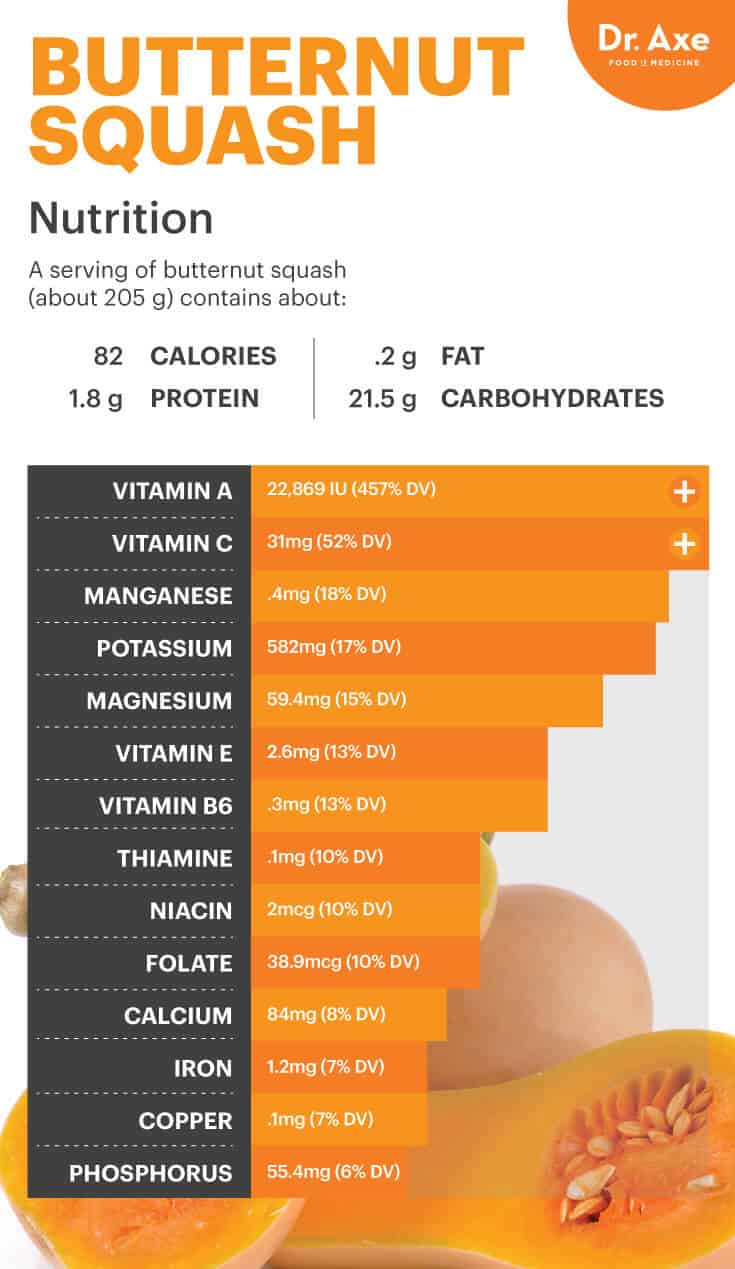
One serving of butternut squash (about 205 grams) contains about: (1)
  • 82 calories
  • 21.5 grams carbohydrates
  • 1.8 grams protein
  • 0.2 gram fat
  • 22,869 IU vitamin A (457 percent DV)
  • 31 milligrams vitamin C (52 percent DV)
  • 0.4 milligrams manganese (18 percent DV)
  • 582 milligrams potassium (17 percent DV)
  • 59.4 milligrams magnesium (15 percent DV)
  • 2.6 milligrams vitamin E (13 percent DV)
  • 0.3 milligram vitamin B6 (13 percent DV)
  • 0.1 milligrams thiamine (10 percent DV)
  • 2 milligrams niacin (10 percent DV)
  • 38.9 micrograms folate (10 percent DV)
  • 84 milligrams calcium (8 percent DV)
  • 1.2 milligrams iron (7 percent DV)
  • 0.1 milligram copper (7 percent DV)
  • 55.4 milligrams phosphorus (6 percent DV)

Benefits of Butternut Squash Nutrition

1. High in Antioxidants
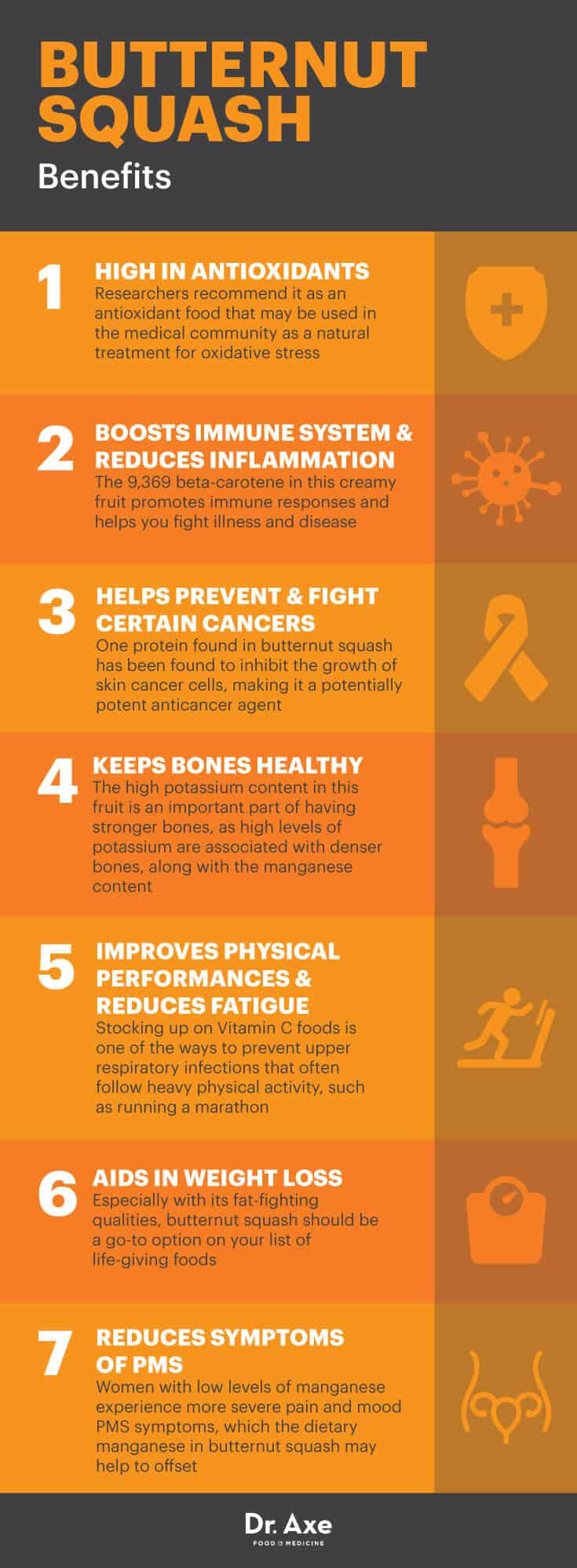
Although butternut squash has been around just over half a century, one of the most well-known benefits of butternut squash nutrition is its high antioxidant load. Researchers even recommend it as a high-antioxidant food that may be used in the medical community as a natural treatment for oxidative stress. (2)
You’ve probably heard the word “antioxidant” a lot in terms of various healthy foods, but why exactly are these qualities so important to your overall health? Antioxidants are free radical scavengers. Free radicals are compounds that are created by various bodily functions. They may also enter the body through various means, including exposure to certain chemicals, the sun or processed food products.
In the body of someone eating a balanced, healthy diet, free radicals perform their normal functions, and any negative impact they may have is overwhelmed by antioxidants. However, if your diet is full of empty calories and dangerous chemicals, you often spend too much time in the sun, and/or you expose your body to chemicals through cosmetics and other endocrine disruptors, the free radicals in your body may cause oxidative stress. Damage by oxidative stress is linked to a large number of diseases and strongly associated with cancer. (3)
The moral of this story? Fill your diet with antioxidants, like the ones in butternut squash.
Antioxidants fall into various categories, and some found in butternut squash include three different carotenoids. (4) These nutrients are fat-soluble antioxidants, meaning that they’re most efficiently absorbed into the body when accompanied by fat sources, such as avocado or olive oil. Butternut squash contains a massive amount of vitamin A, the source of the incredible antioxidants beta-carotene, alpha-carotene and beta-cryptoxanthin, which are linked to a reduction in inflammation and prevention of specific cancers.
One reason it’s important to get the recommended amount of vitamin A (and more) from your food, rather than supplements, is that vitamin A can be toxic when consumed in supplements in too high a quantity. However, dietary vitamin A isn’t toxic, because your body absorbs and uses only what it needs.
Another beneficial antioxidant-related nutrient in butternut squash is manganese, which aids in the enzyme reactions of various antioxidants. Animals deficient in manganese show a low function of superoxide dismutase, which is one of the most powerful antioxidants in the human body, sometimes referred to as the “primary” or “master” antioxidant.
2. Boosts Immune System and Reduces Inflammation
Aren’t you glad butternut squash contains so much beta-carotene? You should be. The beta-carotene in this creamy fruit promotes immune responses and helps you fight illness and disease. (5)
Vitamin A is also responsible for the immune-boosting power of butternut squash nutrition. While it has the ability to fight scary diseases like cancer and autoimmune disorders, it can also help prevent the common cold and other infections. Part of how it protects against such a large number of infections and diseases is because vitamin A reduces inflammation, which is at the root of most diseases. In fact, inflammation is generally caused by an overactive immune system that attacks more than it should. Keep your immune system in balance, and reduce inflammation by eating foods high in vitamin A.
The vital nutrients don’t stop there. Butternut squash also contains high amounts of vitamin C, another common immune system booster that not only helps prevent and treat colds, but also lessens or inhibits the development of more serious conditions from common infections, such as pneumonia and lung infections.
3. Helps Prevent and Fight Certain Cancers
Most superfoods are also cancer-fighting foods or have cancer prevention qualities, and butternut squash is no exception. That’s because the best way to reduce your risk of cancer is to fuel your body with nutrients that keep it healthy and able to fight infection and disease.
One protein found in butternut squash has been found to inhibit the growth of melanoma (skin cancer) cells, making it a potentially potent anticancer agent. (6) Additionally, the vitamin C content found in butternut squash nutrition may be useful in treating lung and ovarian cancers, as well as helping chemotherapy drugs target cancer cells more effectively without damaging other cells as much.
Butternut squash nutrition - Dr. Axe

4. Keeps Bones Healthy
Butternut squash can also help you maintain strong, healthy bones. The high potassium content in this fruit is an important part of having stronger bones, as high levels of potassium are associated with denser bones, even in postmenopausal women and older men, both of whom often have more brittle bones and are at a higher risk of osteoporosis.
The manganese in butternut squash is also beneficial for bone health and prevention of osteoporosis, especially in women who have undergone menopause.
5. Improves Physical Performance and Reduces Fatigue
Do you experience regular fatigue? Would you like to operate at peak physical performance? If your answer to either of these is “yes,” butternut squash nutrition may be a partial answer to your desires.
Researchers in Taiwan found that Cucurbita moschata was effective in a mice model in decreasing fatigue and increasing the exercise performance of the mice in the study. (7)
Vitamin C is also helpful in physical performance, as it increases the oxygen your body absorbs from the air you breathe when eaten/taken in conjunction with physical exertion. Stocking up on vitamin C foods is one of the ways to prevent upper respiratory infections that often follow heavy physical activity, such as running a marathon.
6. Aids in Weight Loss
To reach and/or maintain a healthy weight, your diet should be full of foods that are stocked with nutrients without overwhelming your body with calories — like butternut squash. One serving contains just 82 calories, making it a welcome addition to many meals that won’t make you feel guilty later.
However, the low calories in butternut squash are only the beginning. One 2012 study, following up on initial research, found that an extract from Cucurbita moschata has very effective anti-obesity qualities. It impacts a variety of cellular processes, including the formation of fat known as lipogenesis. Essentially, this extract stops the body from producing new fat to store. (8)
There is also a small body of preliminary research that suggests manganese intake can help reduce the weight of obese or overweight individuals, especially when consumed along with potassium (also found in butternut squash) and other supportive nutrients.
Scheduling a menu and consuming good foods in place of processed, unhealthy ones are two of the ways you can lose weight fast (and naturally). Especially with its fat-fighting qualities, butternut squash should be a go-to option on your list of life-giving foods.
7. Reduces Symptoms of PMS
Did you know that most of the foods women typically consume during and before their periods actually make PMS symptoms worse? This is especially true for things that contain sugar, alcohol and caffeine.
However, there are some great options that you can add to your diet to reduce symptoms of PMS without drugs like Midol, which may effectively relieve symptoms but also contain the possibility of dangerous and severe side effects in some people. One such natural PMS treatment is butternut squash.
For example, women with low levels of manganese experience more severe pain and mood PMS symptoms, which the dietary manganese in butternut squash may help offset. (9) The potassium in butternut squash nutrition also helps prevent and alleviate muscle cramps (not limited only to PMS).
Other PMS-fighting nutrients found in butternut squash include vitamins K and E.

Butternut Squash Nutrition History and Interesting Facts

Although it’s now a well-known fruit, butternut squash has only been around since the 1940s. The earliest documented butternut squash originated in Waltham, Mass., and was purportedly developed by Charles A. Leggett, an insurance agent who “fell into” farming when his doctor insisted he spend more time outdoors. According to his wife, Dorothy, Leggett began farming corn but found it difficult and less financially substantial in the already saturated market. Eventually, he began farming squash.
Charles found the gooseneck squash and Hubbard squash to combine to make a more conveniently shaped and sized squash. When asked what he wanted to call it, Leggett said it was “smooth as butter and sweet as a nut,” leading to its new title as the butternut squash.

How to Select, Prepare and Cook Butternut Squash

Typically, butternut squash is available fresh in the U.S. during September and October, but it’s available year-round most of the time as an imported fruit. When selecting, look for a solid beige color skin without bruising or damage marks. Brown spots or large nicks along the surface may allow bacteria to enter the squash, so avoid options that look damaged in some way. You can keep it in your kitchen outside of the refrigerator, but be sure to place it in an area without direct sunlight, as sunlight speeds up the process of degradation.
Butternut squash is most often roasted, but you can prepare it in a variety of ways. Generally, it’s cut into cubes before cooking. Preparing the squash in this way isn’t very difficult but does involve a few steps. First, cut the top and bottom from the squash, then cut the thinner “neck” from the fatter bulb area. Use a sharp peeler or paring knife to remove the thick skin. Out of the bulb, you want to remove the seeds (which can also be roasted, much like pumpkin seeds), then slice the squash into cubes, usually about an inch to an inch and a half in length.
Interested in some unique ways to cook your squash? Roasting isn’t the only option. Some recipes call for squash to be steam-baked, boiled, microwaved or baked. The taste of squash is sweet and buttery, somewhat similar to pumpkin.
Butternut squash benefits - Dr. Axe


Potential Side Effects and Caution with Butternut Squash

As with any food product, butternut squash is known to occasionally cause an allergic reaction. The reactions are generally minimal and limited to contact dermatitis or mild swelling around the hands or mouth.
One common reaction (although not an allergic one) that people experience when peeling raw butternut squash is a drying and peeling of the skin of the hands. This is not actually dermatitis or any other allergy, but rather the squash’s natural defense mechanism at work. Before it ripens, the internal sap of the butternut squash repairs external damage done to it, such as a bite from an animal or other physical puncture.
If you peel butternut squash before it’s fully ripe and experience this, you need to thoroughly wash your hands and use an extra-strength moisturizing lotion. Most likely, a thin layer of skin will peel from the affected portions of your hands, leaving pink, fresh skin behind. To avoid drying your hands out, you should only prepare fully ripened squash. If you aren’t sure if your butternut squash has ripened fully, consider wearing a pair of gloves while peeling and prepping your squash for cooking.

Final Thoughts on Butternut Squash Nutrition

  • Butternut squash is part of the Cucurbita family, which also includes spaghetti squash and different types of gourds.
  • Butternut squash nutrition includes many vitamins and minerals that are vital to maintaining premium health, and it only contains 82 calories per serving.
  • The massive load of antioxidants, anticancer and anti-inflammatory nutrients in butternut squash make it effective in preventing and treating a large variety of health conditions, from the common cold to potentially certain cancers.
  • There are fat-fighting qualities of butternut squash that make it great for weight loss efforts.
  • Along with other natural methods, butternut squash can help reduce PMS symptoms.
  • There are many ways to prepare and cook butternut squash, although it’s generally cubed and roasted.
  • It’s important to make sure your squash is fully ripened before peeling. If you’re not certain, consider wearing gloves to avoid the internal sap of the squash from drying out your hands.

Wednesday, November 16, 2016

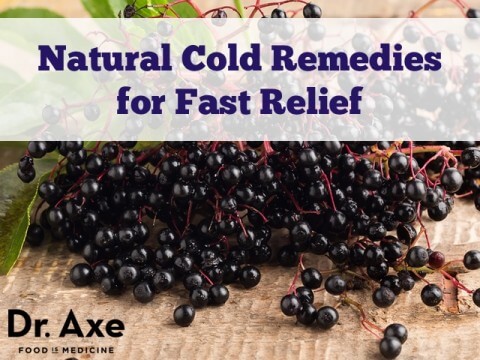
Natural Head Cold Remedies for FAST Relief

Natural Head Cold Remedies for FAST Relief

natural cold remedies pictureThe common cold is caused by over 200 different viruses that can attack the upper respiratory tract. They are spread in the air from person to person.
People with a depressed immune system or nutrient deficiencies may be more prone to catching colds.  Also, common causes of catching a cold include: lack of sleep, emotional stress, mold exposure, unhealthy digestive tract and traveling.
The good news is there are plenty of natural head cold remedies to help you kick your symptoms fast!

Top Foods for Colds

Bone Broth Contains amino acids and minerals that naturally support immunity.  Consume soup made of real bone broth and vegetables.
Water – Adequate hydration is the key to flushing out the virus from your system. Try to drink at least 8 ounces every 2 hours.
Hot water with lemon, honey, and cinnamon – Helps prevent mucus buildup and keeps you hydrated.
Ginger – Make a ginger tea and add raw honey.
Garlic and onions – Both of these vegetable help boost immune function and have antibacterial and antiviral properties from a compound they contain allicin.

Foods to Avoid

Sugar – Decreases white blood cells that help fight off infection.
Fruit juices – Although orange juice contains some vitamin C, it is not as high in vitamin C as whole fruits or vegetables. If you want to drink juice, dilute it.
Conventional Dairy – Pasteurized milk and other dairy products are mucus producing.
Fast Food – “Empty calories” that have no nutrients for supporting your immune system and are toxic to the body.
Processed grains – Breads, pastas, cereals, wheat products, and white flour products quickly turn into sugar and weaken immunity.

Top 5 Natural Head Cold Remedies

#1 Vitamin C (1,000 mg 3-4x daily)Vitamin C helps with immune system function and boosts white blood cells.
#2 Echinacea (1,000 mg 2-3x daily)Can help your body fight off colds, but it is best to take it at the first sign of illness.
#3 Elderberry (10 mL daily)
It is believed that this elderberry can de-activate the flu virus, reducing symptoms and is high in vitamin C and other immune boosting antioxidants.
#4 Oregano Oil (500 mg 2x daily)
Oregano oil has a powerful antiviral and anti-bacterial effects.
#5 Zinc (50-100 mg daily)Zinc supports immune function and has an antiviral effect.  It works best when taken at the first sign of illness.
Bonus Remedies:Getting adequate sleep is vitally important in overcoming a cold.  Go to bed early and aim for 9-10 hours of sleep. Vitamin D3 5,000 IU 2x daily can help strengthen the immune system.

Essential Oils For Colds

Eucalyptus essential oil can open up the sinuses and lungs helping heal a cold fast. Frankincense essential oil naturally boosts the immune system and oils of oregano and clove are anti-bacterial and anti-viral which can help you kick a cold.

Friday, November 4, 2016

Vitamins

A healthy body needs vitamins and minerals to nourish proper cell growth.You’ve seen vitamins and supplements in the news, and you’ve read about all the nutritional benefits, but what you might not have heard is that the “quality” of vitamins you choose is equally important. Many products you’ll find in drugstore are much lower quality and contain artificial colors, flavors, and fillers. If you want the best vitamins then go to www.ktapproved.com and start on the road to natural health!

Monday, October 31, 2016

Dangerous Kids’ Makeup, Including the 11 Scariest Ingredients

Dangerous Kids’ Makeup, Including the 11 Scariest Ingredients

Dangerous kids makeup - Dr. Axe
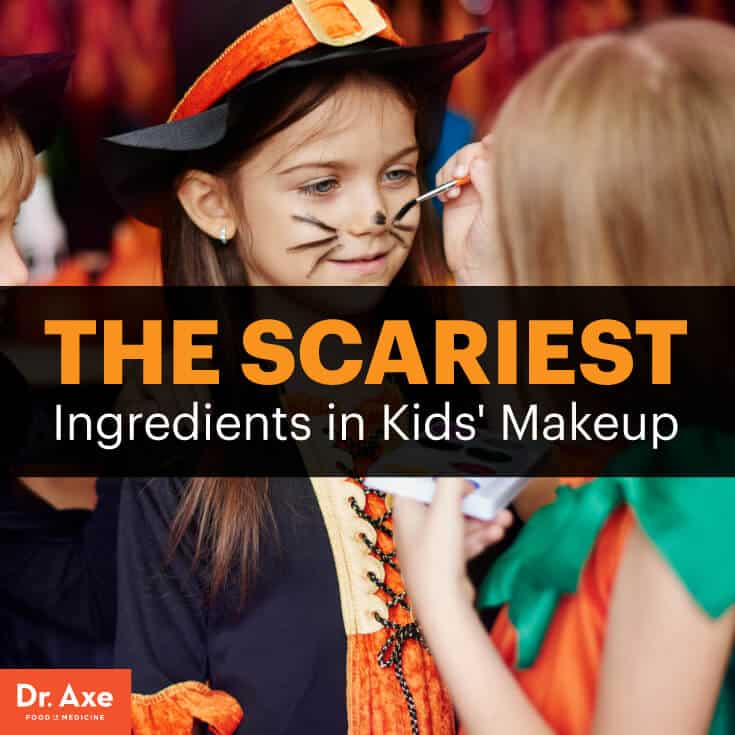
The only thing scarier than kids’ Halloween costumes this time of year is the ingredients in dangerous kids’ makeup used to get them in character. An eye-opening 2016 report published by the Breast Cancer Fund and spearheaded by the organization’s Campaign for Safe Cosmetics sheds a light on the dangerous kids’ makeup commonly used this time of year for face painting. The report includes more than 120 individual products from 93 cosmetic kits and reveals some truly scary facts about children’s cosmetic products. You might already be putting a lot of thought into what goes into your children’s stomachs on a daily basis, but how about what goes onto their bodies? (And in effect, into a child’s bloodstream and organs.)
Pretty Scary 2: Unmasking toxic chemicals in kids’ makeup is a must-read for any parent. If you have a daughter, it’s especially important. Here’s why: We now know breast cancer in adulthood is linked to exposure to toxic ingredients at a younger age. You might be thinking, “Oh, come on, Dr. Axe, a little bit of face paint a couple of times a year won’t hurt anyone.” But what if I told you that children’s cosmetic products commonly contain heavy metals like lead, carcinogens and endocrine disruptors. The dangers of these ingredients are concerning for adult health, but for a child’s developing system, the concern is even greater. According to the U.S. Centers for Disease Control and Prevention, lead, for example affects “virtually every system in the body.” But it’s especially harmful to the developing brain and nervous system of fetuses and young children. (1)
Children using makeup is a lot more common than it was decades ago. Nowadays, the cosmetic industry actually targets kids and often uses popular characters and movies to get children interested in makeup and other beauty products at a very early age. It’s time take a look at the worst ingredients currently detected in Halloween makeup and other kids’ cosmetics. Because you don’t want your choices today to be haunting you or your child tomorrow.

Outdated Cosmetics Safety Law — A Broken System

So how did we get here? You might think that the Food and Drug Administration must be trying to protect children from harmful toxins as we speak. But as the report points out, the cosmetic safety law currently on the books is more than 75 years old. Talk about outdated. Plus, this law doesn’t barely gives the FDA any power to make sure that young consumers (as well as adults) are kept safe.
At present, the cosmetics being produced by the billion dollar cosmetics industry are actually one of the least regulated groups of products. There are only two pages in the The Federal Food, Drug and Cosmetics Act (FFDCA) covering cosmetics safety, while the food and drug industry gets 112 pages. (2)
As the law stands today, cosmetic companies can get away with so much more than you’d probably believe. I’m talking about using raw materials that have known serious adverse and long-term health effects like cancer and birth defects. Ideally, at the least, every ingredient going into cosmetics should be tested for long-term impact on human health before going to market, but that’s not a requirement right now. The FDA also relies on voluntary reporting when it comes to ingredients and injuries, which means the FDA — by law — cannot require manufacturers to register its cosmetic establishments, file data on ingredients or report cosmetic related injuries.
For companies selling their dangerous kids makeup and other cosmetic products online, current law gives them even more leeway and it doesn’t even require them to include ingredients on their labels. Can it get scarier this time of year? Yes, unfortunately. The FDA can’t even recall a dangerous cosmetic product harming consumers without an in-depth court case.  Not even when it’s a cosmetic hurting an innocent child? No. It’s so disturbing, I know.

Dangerous Kids’ Makeup: The Worst Ingredients

Back in 2009, the Campaign for Safe Cosmetics released their first Pretty Scary report on
10 Halloween face paint kits. The result? Every single product tested positive for lead. The newest report, Pretty Scary 2, is based on label reading and laboratory tests of face paint commonly used during special occasions like Halloween. It also includes body sprays, lip balms, hair products and nail products. Where do these products come from? Sources include chains like Claire’s, Dollar General, Dollar Tree, Family Dollar, Justice, Target, and Toys “R” Us.
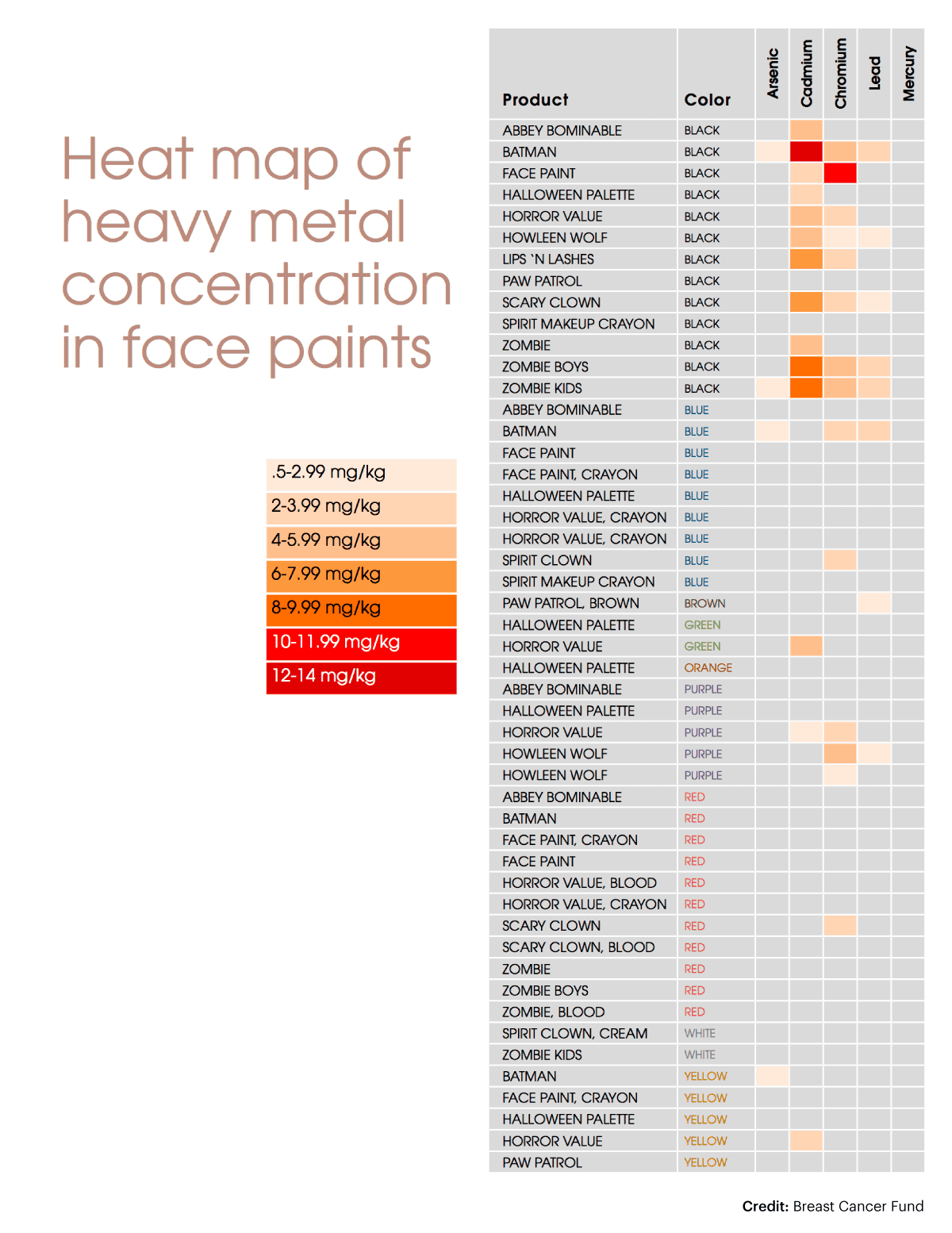
Sneak peak at the report: 48 different Halloween face paints underwent testing for the presence of heavy metals like lead, cadmium, arsenic and mercury. Almost half of the face paints contained trace amounts of at least one toxic heavy metal. Some of the products contained an alarming four heavy metals.
Exposure to toxic ingredients is highly concerning to a child’s development, but exposure has also been shown cancer risk decades down the line during adulthood, too. For example, studies involving the pesticide DDT showthat early life exposures to DDT can increase breast cancer risk later in life. One study specifically found that girls who were younger when DDT use was the highest had an increased risk of breast cancer. (3) I think the takeaway here is that what goes into our children’s systems today can affect them for many years to come and maybe even in devastating ways.
Here are just some of the most toxic ingredients that can be found in Halloween makeup and other kids cosmetic products, according to the Pretty Scary 2 report: (4)
Arsenic
  • 4 of the 48 face paints tested positive for arsenic, with levels ranging from 1.1 to 1.9 ppm.
  • Often considered a tap water toxicity issue, this heavy metal is a dangerous kids’ makeup ingredient, too. According to the CDC, inorganic arsenic and arsenic compounds are considered to be cancer-causing chemicals. In addition, unusually large doses of inorganic arsenic can cause nausea, vomiting, diarrhea, dehydration and shock. (5)
Dangerous kids makeup - Dr. Axe
Lead
  • Nearly 20 percent of the Halloween face paints contained the heavy metal lead.
  • There is no safe level of level.
  • Lead exposure increases the risk for damage to the brain and nervous system, slowed growth and development, learning and behavior problems (including reduced IQ, ADHD symptoms, juvenile delinquency, and criminal behavior) as well as speech and hearing issues. (6)
  • Heavy metals (like lead) tend to be found more commonly and in higher levels in darkly pigmented face paints.
Cadmium
  • Almost 30 percent of the Halloween face paints tested positive for cadmium.
  • At the very least, cadmium exposure is linked to kidney and lung damage. (7)
  • According to a scientific research, children with higher cadmium levels are more likely to have learning disabilities and participate in special education. Researchers also noted that these associations were at exposure levels previously considered to be without adverse effects; these levels are now common among children in the United States. (8)
Chromium
  • Chromium was detected in 27 percent of the Halloween face paints tested.
  • It’s used as a colorant and can be toxic to non-reproductive organ systems. (9)
  • According to the EPA, human studies have clearly established that inhaled chromium is a human carcinogen, leading to an increased risk of lung cancer. (10)
Parabens
  • At least one paraben was found in 34 percent of products.
  • Two or three parabens were present in 3 percent of products.
  • Parabens are known endocrine disruptors. According to the National Institutes of Health, these chemicals can negatively affect the body’s hormonal system and produce adverse developmental, reproductive, neurological and immune effects in the human body. (11)
  • Parabens are also estrogen mimickers that can increase the expression of many genes that have been shown to cause human breast tumor cells to grow and proliferate in vitro. (12)
Formaldehyde
  • Formaldehyde-releasing preservatives were found in 3 percent of the products.
  • Formaldehyde is a known human carcinogen. It’s a substance directly capable of causing cancer in living tissue. (13)
  • The main formaldehyde-releasing compounds found include DMDM hydantoin, imidiazoldinal urea and diazolydinal.
Volatile organic compounds (VOCs)
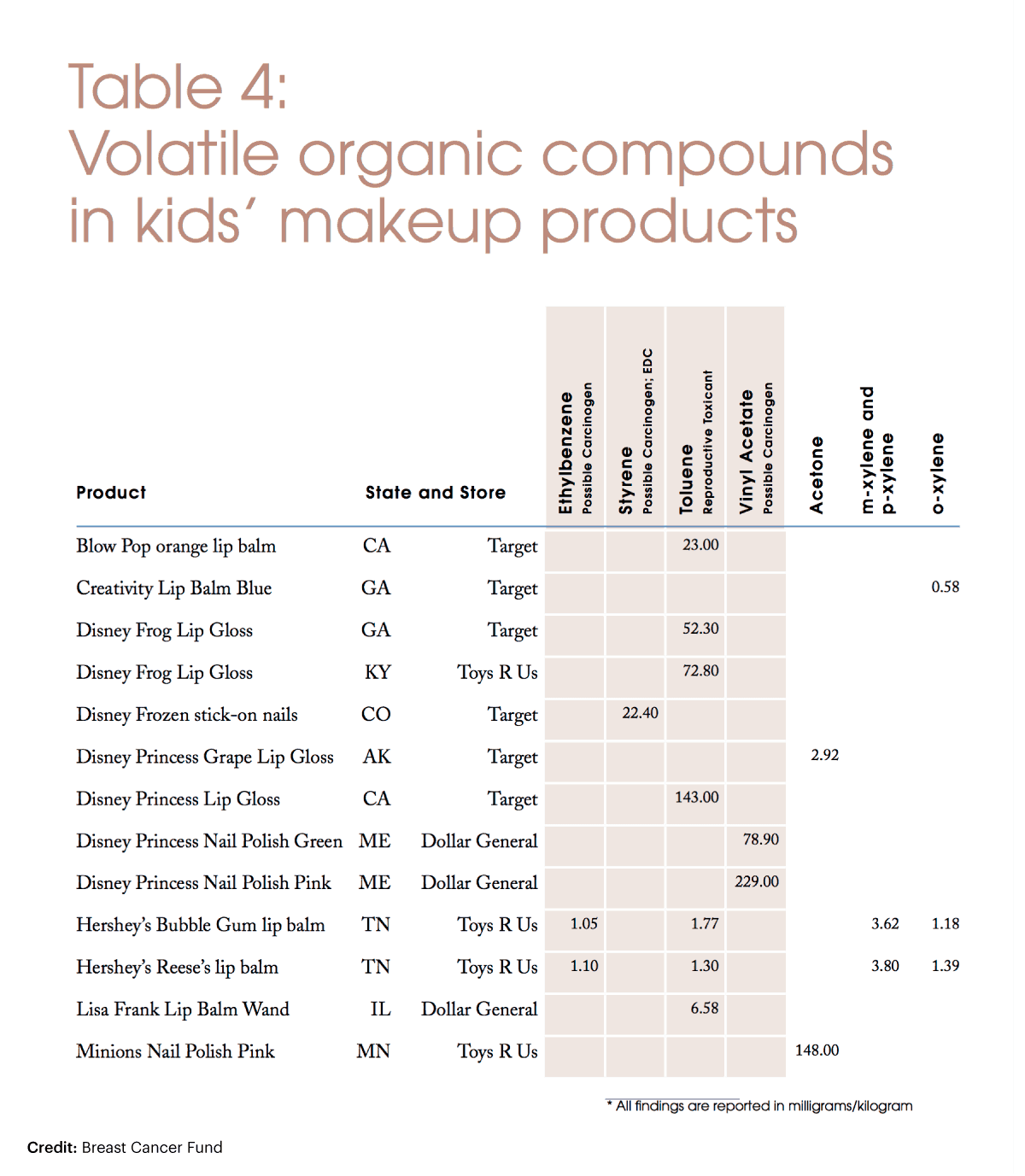
  • Twenty percent of products tested contained VOCs.
  • Flavored lip balms were most likely to contain VOCs.
  • Toluene, a VOC, turned up in about 11 percent of makeup tested.
  • Other highly concerning VOCs found include styrene (a probable carcinogen and endocrine disruptor), ethylbenzene (a possible carcinogen) and vinyl acetate (a possible carcinogen).
Dangerous kids makeup - Dr. Axe
Ethoxylated Ingredients
  • 28 percent of products tested contained ethoxylated ingredients based on label reading alone.
  • Ethoxylation is a process used extensively in the skin care industry.
  • This manufacturing process can result in two toxic contaminants linked to breast
    cancer and other cancers: ethylene oxide and 1,4- dioxane.
Talc
  • Used in 18 percent of producted tested, this mineral is used in cosmetics as an absorbent and to smooth and soften products.
  • It may be contaminated with asbestos and has been classified as carcinogenic by the International Agency for Research on Cancer. (14)
  • Inhalation is of serious concern, too. It’s linked to respiratory distress, mesothelioma and inflammation. Talc is also linked to ovarian cancer and endometrial cancer.
Fragrance
  • Half (half!) of products Breast Cancer Fund tested contained frangrance.
  • Thousands of chemicals can fall under the ingredient name “fragrance.”
  • “Fragrance” ingredients could include things that won’t appear on the label, like suspected or known carcinogens acetaldehyde, benzophenone, dichloromethane, styrene and titanium dioxide.
  • “Fragrance” is also a catchall term that could coverup the use of chemicals like benzyl salicylate, diethyl phthalate, and propyl paraben, known endocrine disruptors.
  • Others are “fragrance” ingredients incllude allergens, skin irritants, and ingredients toxic to the liver, lungs, and kidneys, among other organs.
Silica
  • Thirteen percent of products tested contained silica.
  • Silica may be used as an absorbent, nonsurfactant, and thickener in personal care products.
  • It may be toxic to the liver, respiratory system, and kidneys.

Final Thoughts on Dangerous Kids’ Makeup Ingredients

After reading this report, I highly recommend steering clear of dangerous kids’ makeup like Halloween face paints this time of year (and in general). Unless you know for sure that a face paint or other product coming in direct contact with your child is safe and free of health hazardous ingredients, avoid it completely. Be a label reader across the board when it comes to your kids. Take a look at what is already in your home and make better, more informed choices moving forward.
Breast Cancer Fund also recommends:
  • Finding or creating a costume that doesn’t require face paints or makeup use.
  • Trying a DIY recipe for face paints or enhancing outfit with ears, caps or customized mittens or socks.
  • Buying safer products. (Reading product ingredient labels and avoid items with fragrance and other red list ingredients.)
  • Avoid use of darkly pigmented makeups.
  • Use smartphone apps such as Think Dirty, Healthy Living and Good Guide to check the safety of products.
  • Letting your kid be a kid a little longer, and delaying their introduction to makeup, especially color cosmetics, hair dye, nail polish and lipstick.
  • Supporting health-protective federally mandated cosmetic safety legislation.
The good news is that detox happens fast. A University of California, Berkeley study recently found that when teen girls made healthy changes to their beauty routines, the girls saw a very large drop in their chemical body burdens. After swapping out products containing harmful products like the ones we just talked about for products that did not, the girls saw reductions of 25 to 40 percent in four endocrine-disrupting chemicals (phthalates, parabens, triclosan, oxybenzone) after just three days. (14)
Another great resource? Check out Environmental Working Group’s Skin Deep Cosmetics Database to rate personal care products (and find safer ones).

Do Lipitor Side Effects Outweigh the Potential Benefits?

Do Lipitor Side Effects Outweigh the Potential Benefits?

Lipitor side effects - Dr. Axe
The “epidemic” of high cholesterol has taken many parts of the Western world by storm, and physicians seem to have the answer: cholesterol-lowering drugs like Lipitor that do all the work your body apparently can’t anymore. Great news, right? Not exactly. There is a laundry list of rather concerning Lipitor side effects that should cause anyone to take a moment to pause and consider the benefits and drawbacks of a prescription that you will likely take until your dying day once you start.
If you’re at risk for heart disease or high cholesterol, I urge you to seriously consider the truth behind the dangerous cholesterol-lowering drugs that are so often a first choice for doctors rather than a last-ditch effort. While they have the potential to help in certain cases, I find the solution to be a more complex one than you may have heard, and Lipitor is no exception. For instance, Lipitor side effects include potential damage to the musculoskeletal system, elevated risk of diabetes, mental decline, nutrient deficiencies and more.

What Is Lipitor?

Lipitor is the brand name for a drug in the class of pharmaceuticals known as statins, which function in two ways. First, they block an enzyme known as HMG-CoA reductase that signals to your liver to produce cholesterol, thus reducing the amount of cholesterol in your bloodstream. Then, they cause your body to reabsorb existing cholesterol, which your body needs to function, and further decreases how much cholesterol is found in the blood.
There are seven common brands of statins that all work in slightly different ways. They include atorvastatin (Lipitor), fluvastatin (Lescol), lovastatin (Altoprev), pitavastatin (Livalo), pravastatin (Pravachol), rosuvastatin (Crestor) and simvastatin (Zocor). All of these drugs reduce cholesterol in similar ways but have different drug interactions and differing lists of side effects.
According to the science behind them, statins are able to decrease the amount of low-density lipoprotein (LDL) cholesterol in your body while increasing high-density lipoproteins (HDL) cholesterol. Lipitor is touted as the No. 1 statin for people with a high risk of heart disease, impacting cholesterol levels by over 50 percent (while other statins may not have as dramatic an effect).
The results are not only clinical, however. Pfizer, the pharmaceutical conglomerate that owns Lipitor, has found cumulative sales totaling some $130 billion since its release. Lipitor’s website, while including the extensive list of Lipitor side effects, also rejoices that more than 29 million people have filled their Lipitor prescriptions since 2002, that it has been backed by 400 ongoing and completed clinical trials, and that it’s backed by 20 years of clinical experience.
There is no doubt that statins do truly decrease cholesterol levels. But why is that so important? Are high cholesterol levels as dangerous as we have been led to believe? Do the benefits truly outweigh the risks when it comes to a medication with dangerous side effects, particularly Lipitor side effects?
First, I’ll detail the benefits of what happens to your body when you take Lipitor. Then, I’ll explain the darker side of this medication and the truth behind the cholesterol and heart disease crisis in the West. The answer may surprise you, particularly when you learn about all the potential benefits and side effects of Lipitor.

Potential Benefits of Lipitor

1. Lowers Cholesterol
As you already know, Lipitor operates by reducing overall cholesterol and causing “good” cholesterol to increase while “bad” cholesterol decreases. It also lowers high triglycerides (a measure of a particular kind of fat in the blood) by up to 37 percent. High levels of triglycerides are associated with hardening and/or thickening of the artery walls, a heart condition known as atherosclerosis.
Generally, doctors will prescribe the combination of a statin prescription, such as Lipitor, with a low-fat diet to reduce the risk of heart disease in people with a high risk and decrease the risk of heart attack, stroke and certain heart surgeries for those already suffering from heart disease.
However, before you get too excited, remember that simply “lowering your cholesterol” is not always the answer. For example, people adhering to the Mediterranean diet, which is essentially the opposite of a low-fat diet prescribed by most doctors, have a 30 percent reduced rate of cardiac death and a 45 percent reduced rate of sudden cardiac death. (1)
Why would eating a diet high in healthy fats be so good for your heart? And why do people in the Mediterranean region rarely struggle with cholesterol that’s out of whack?
It’s because, sometimes, low cholesterol levels are worse than high, and the actual numbers measuring HDL and LDL cholesterol are not nearly as important as the ratio, which should remain around 2:1 (HDL:LDL).
If you eat a diet loaded with inflammation-causing foods, it’s likely that your cholesterol will peak at a dangerously high level at some point in your life. I’ll discuss this in depth later.
2. May Help Treat Certain Cancers
Recent research has suggested that statins may have a positive impact on the risk of colorectal, ovarian and prostate cancer. These results were found with a low to medium dose of statins, as high doses after long periods of time have mostly unknown effects.
3. May Reduce the Risk of Liver Disease
In a study of 1,005 individuals, researchers as part of the St. Francis Heart Study found evidence that Lipitor may be able to reduce the risk of liver disease as well as treat certain aspects of non-alcoholic fatty liver disease. (2)
Other studies have highlighted the improvement in liver enzyme levels in patients treated with Lipitor, suggesting that it may positively impact the liver in some ways.

The Many Dangerous Lipitor Side Effects

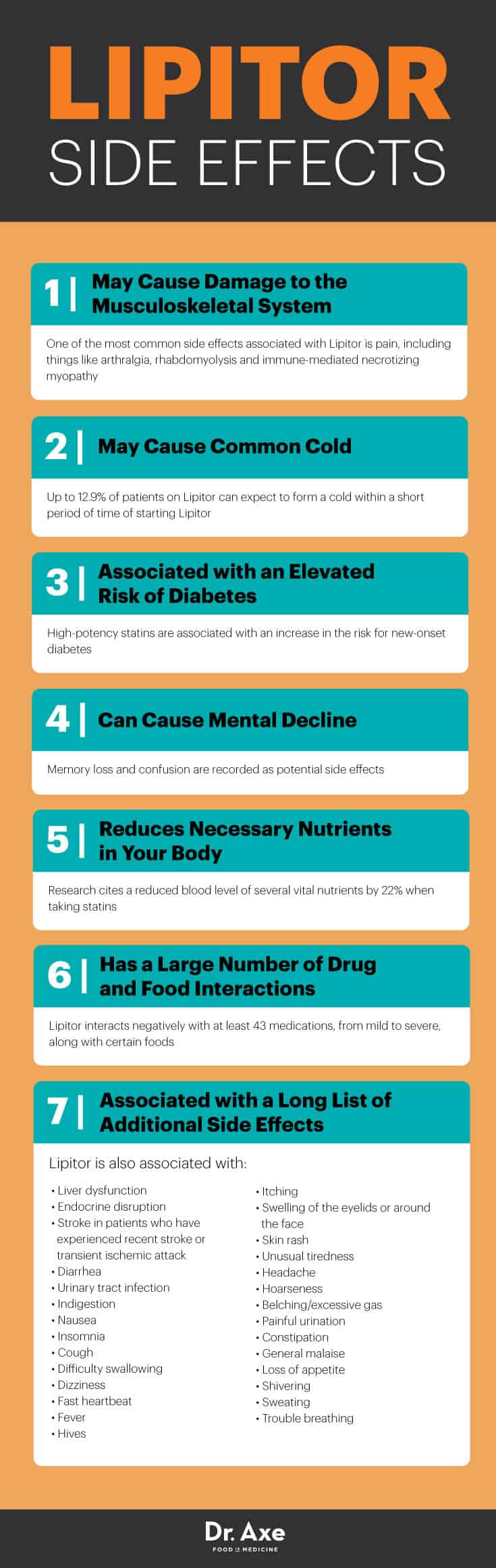
1. May Cause Damage to the Musculoskeletal System
One of the most common side effects associated with Lipitor is pain. Arthralgia (joint pain) is stated to occur in up to 11.7 percent of patients taking the drug, while other types of pain, such as neuropathic, general or pain in the extremities, are also on the long list of Lipitor side effects.
In fact, on Pfizer’s detailed label of side effects associated with Lipitor, the company warns first and foremost of “rare” cases of rhabdomyolysis, the death of muscle fiber that leads to the release of a dangerous protein into the bloodstream. Symptoms of this condition include discolored urine, often dark red, muscle pain and muscle weakness. This rare disorder can usually be reversed within the course of a few weeks if caught early enough, but if left unchecked, rhabdomyolysis leads to kidney function decline and eventual failure.
Lipitor is also known to, in rare cases, cause immune-mediated necrotizing myopathy, an autoimmune pain associated with the use of statins. Symptoms of this underlying condition include proximal muscle weakness and a decreased level of serum creatinine kinase.
For patients on a total of 23 different medications or medication combinations, Pfizer warns physicians of an elevated risk of general pain and these specific conditions.
2. May Cause Common Cold
Another extremely common Lipitor side effect is contraction of a cold, or “nasopharyngitis.” Up to 12.9 percent of patients on Lipitor can expect to form a cold within a short period of time of starting Lipitor. No studies have been done on the recurrence of colds or damage to the immune system that may also occur later on for those taking this drug long term.
3. Associated with an Elevated Risk of Diabetes
Because Lipitor is a high-potency statin, it was among the drugs tested in a large meta-analysis published in the British Medical Journal in 2014. This large, overarching study found that high-potency statins were associated with an increase in the risk for new-onset diabetes. (3) This study included almost 137,000 patients from studies conducted all over the world and found that the most risk of new-onset diabetes generally occurred within the first four months of taking the drug.
Another study from Brazil had similar results after reviewing 90,000 cases, although researchers in that case claimed to believe the benefits of statins outweigh the dangers. (4)
These particular studies have awarded Lipitor’s parent pharmaceutical company, Pfizer, with a large amount of bad press. As of September 2015, there were recorded incidents of over 2,400 individuals suing Pfizer, claiming the company had known about the diabetes risk and failed to communicate it to patients. These diabetes lawsuits were filed almost exclusively by women and have been unequivocally denied by Pfizer to be associated with Lipitor. (5) The current status of these lawsuits can be found on the District Court website of the District of South Carolina.
The FDA recognizes statins to be responsible for occasional development of diabetes but claims, “Clearly we think that the heart benefit of statins outweighs this small increased risk.”

Lipitor side effects - Dr. Axe

4. Can Cause Mental Decline
On the short list of Lipitor side effects found on its website, memory loss and confusion are recorded as potential side effects. In 2014, the FDA released a statement regarding statins and their ability to cause mental side effects, such as memory loss. Complains generally contain some reference to mental “fuzziness.” These reports have come from people taking the drug for as little as a day to as many as several years. (6)
Interestingly, Amy G. Egan, M.D., M.P.H., deputy director for safety in FDA’s Division of Metabolism and Endocrinology Products (DMEP), said in the official statement to those concerned with mental decline as a result of statins, “Talk to your health care professional. Don’t stop taking the medication; the consequences to your heart could be far greater.”
5. Reduces Necessary Nutrients in Your Body
A very revealing study from back in 2002 studied the impact of diet and statins (focusing in this study on Zocor — simvastin — a drug very similar to Lipitor but not considered nearly as “potent”) on serum lipids, insulin and antioxidants in men already diagnosed with high cholesterol. First, and probably least important, the medication successfully lowered cholesterol more than 20 percent in comparison to the Mediterranean diet alone, which lowered cholesterol overall by only 7.6 percent.
More fascinating (and a bit alarming) are the results researchers found regarding other nutrients impacted by statins.
To start, patients taking the statin had increased insulin by 13 percent in their bloodstreams, without affecting glucose levels. This suggests a dangerous path for patients on cholesterol-lowering medications leading to insulin resistance. These findings are significant because insulin resistance is a precursor to type II diabetes and its related conditions, such as kidney disease, heart disease and blindness.
Insulin wasn’t the only affected element, however. The study cites a reduced blood level of several vital nutrients by 22 percent, including alpha-tocopherol, beta-carotene and coenzyme Q10. This does not bode well, as one of the antioxidant qualities of CoQ10 is that it helps protect the heart and blood vessels from oxidative stress, while statins are meant to protect the heart. (7)
This leads to an incredibly important question: Is it worth reducing cholesterol levels only to rid your body of antioxidants responsible for counteracting damage you encounter every day in the form of oxidation? Or, on the other hand, is it simply a tactic used to keep cash in the pockets of pharmaceutical companies?
6. Has a Large Number of Drug and Food Interactions
Patients on Lipitor are urged to stay away from grapefruit juice, which can block the effect of the enzyme-blocking drug. They’re also told that a permanent low-fat diet is necessary to managing their cholesterol problems, and we already know that low-fat diet risks present their own issues.
In addition to these, Lipitor interacts negatively with at least 43 medications, from mild to severe. While your physician should be aware of these interactions, it’s concerning that there are so many caveats to taking Lipitor.
7. Associated with a Long List of Additional Side Effects
In addition to these fairly extensive Lipitor side effects, you can find a massive list of more side effects that range from mild to severe. Lipitor is also associated with:
  • Liver dysfunction
  • Endocrine disruption
  • Stroke in patients who have experienced recent stroke or transient ischemic attack
  • Diarrhea
  • Urinary tract infection
  • Indigestion
  • Nausea
  • Insomnia
  • Cough
  • Difficulty swallowing
  • Dizziness
  • Fast heartbeat
  • Fever
  • Hives
  • Itching
  • Swelling of the eyelids or around the face
  • Skin rash
  • Unusual tiredness
  • Headache
  • Hoarseness
  • Belching/excessive gas
  • Painful urination
  • Constipation
  • General malaise
  • Loss of appetite
  • Shivering
  • Sweating
  • Trouble breathing
I don’t know about you, but these Lipitor side effects seem like a high price to pay for a condition that has only been around for the last few decades. There must be a better way.

Better Natural Alternatives to Lipitor

A few decades ago, high cholesterol (hypercholesterolemia) was diagnosed in patients with staggering cholesterol levels of over 240, usually with other risk factors or heart disease, such as smoking. Decades pass, and that number has been lowered to 180.
However, the surge of cholesterol-lowering medication seems to have little impact on the mortality rate of patients with heart disease. This is because statin drugs are not the answer. High cholesterol and its associated treatments are another Western medicine attempt to treat symptoms of an underlying problem: horrendous dietary habits that cripple the body’s natural ability to operate.
There are better alternatives. There are some incredible cholesterol-lowering foods that help your body regulate cholesterol levels safely, including leafy greens and the incredibly powerful turmeric. Instead of chemically adjusting these levels, you can vastly decrease your risk of heart disease by feeding your body the kind of nutrients it needs to protect you.
If you’ve already found that your cholesterol levels are getting dangerously out of sync, you can lower cholesterol naturally and fast by adjusting your diet to not only include good foods, but also eliminating the types of food and drink that are most likely to drive your levels through the proverbial roof. For example, eliminating trans fats wherever possible, avoiding sugars and refined carbohydrates, and limiting your alcohol and caffeine intake will have great impact on the way your body functions.
Remember, there is evidence that dietary fat from healthy sources does not negatively affect you. (8) Simply heading toward a low-fat diet is not good for your long-term health. Fill your body with nutrients that give it life, and you will find the question of high cholesterol to be a much less scary one.

Final Thoughts on Lipitor Side Effects

Lipitor is the single most lucrative drug ever produced. While tens of millions of people have taken this pharmaceutical, there are many alarming side effects associated with this particular statin.
Like many other statins, Lipitor causes a large variety of pain in many individuals, may be responsible for new onsets of diabetes, can cause colds, supports mental decline and reduces vital nutrient levels in your system — and these are just some of the harmful Lipitor side effects.
While it can effectively reduce overall cholesterol, Lipitor is not the end-all, be-all of reducing cholesterol. More factors are at play within your body, and your diet and lifestyle have a lot to do with the long-term health of your heart.
When consulting with your physician about methods to reduce cholesterol, I highly encourage you to do all you can to seek out natural and effective dietary methods and avoid Lipitor and all the Lipitor side effects that can negatively impact your health.

Friday, October 28, 2016

New Health Info

Cow Urine Therapy is an ancient therapy part of Ayurved which has been re-established by study, research and work of Mr. Virendra Kumar Jain over several years. It is more famous as Jain’s Cow Urine Therapy.
Cow urine contains various elements which are present in our body and required by our body. It tries to balance those elements if they are more or less hence re establishing the equilibrium for a healthy body.
More than 1000 publication shave published about our work on cow urine therapy. Here is a glimpse of an article in the largest read Indian Magazine India Today.
The clinic started its activities in 1999 with capsule and natural cow urine. Today it has evolved and developed variety of products with herbal extracts based on research. We have treated more than 3.5 lakh patients (till 2009) by cow urine therapy and Ayurveda medicines.
The clinic is pioneer and market leader in cow urine therapy treatment. With several studies and clinical trial in progress the cow urine therapy is being re-established with scientific facts and further developing on the standard of modern science.


Cow is a mobile dispensary. It is the treasure of medicines. The cow urine therapy is capable of helping in several diseases. The holy texts, like Atharva Veda, Charak Samhita, Rajni Ghuntu, Vridhabhagabhatt, Amritasagar, Bhavprakash, Sushrut Samhita contain beautiful description about these things. Cow Urine Treatment and Research Center, Indore has conducted a lot of research in the past few years and reached at the conclusion that it is capable of helping in diabetes, blood pressure, asthma, psoriasis, eczema, heart attack, blockage in arteries, fits, cancer, AIDS, piles, prostrate, arthritis, migraine, thyroid, ulcer, acidity, constipation, gynecological problems, ear and nose problems, abortion and several other diseases.
The analysis of cow urine has shown that it contains nitrogen, sulphur, phosphate, sodium, manganese, carbolic acid, iron, silicon, chlorine, magnesium, melci, citric, titric, succenic, calcium salts, Vitamin A, B, C, D, E, minerals, lactose, enzymes, creatinine, hormones and gold acids. A person falls ill when there is deficiency or excess of the substances inside the body. The cow urine contains those substances, which are present in the human body. Therefore consumption of cow urine maintains the balance of these substances.
The Indian culture gives special place to cow. All the 33 gods have cow as their prime temple. Deva means to give, the strength to give, the ability to give more and take the minimum. This is known as Devata. The cow takes very less from us and gives us more. Therefore the Indian people have proved this with the help of strict devotion and dedication that cow has a prominent place in the Indian life and economy. Wealth, religion, sex and salvation are accomplished with the service of the cow. The Indian farmer used to known as king or the giver of grains due to the developed tradition of India thousands of years back. When we were popular as golden bird and world Guru then this was the basic mantra. Our entire life is dependent on cow.
The whole world calls cow as mother. The reason is that the birth-giving mother gives milk to its child only for one or two years, but the mother cow gives milk throughout its life, which is like nectar. A black cow is tied in the Shiva temple, when we see the Shiva along with the black cow then we are able to overcome the malefic effects of planets in our natal horoscope. When we see the ankles of the cow we protect ourselves from sudden deaths. Taking rounds of the cow is equivalent to visiting all the holy places. As the paipal tree and holy basil plant give oxygen similarly cow is the only animal, which emits major amount of oxygen. If one spoon of pure ghee is poured on the burning cow cakes dung (fuel) then they can produce one-ton oxygen, therefore ghee made with cow milk is used in sacrificial fires and havans. There is no other better method to remove pollution.
The cow milk, butter, ghee and buttermilk are like nectar. The cow dung is not faeces but purifier of faeces. It produces best quality of grains, fruits, and vegetables by becoming the best type of manure. Cow urine is a divine medicines and is a pesticide for the crops. Pure ghee made with cow milk on the cow cakes, the smoke emitted thereby subsides the effect of poisonous gas. Cow urine contains copper, which converts into gold inside the human body. It removes the toxicity. Drinking cow milk gives strength and increases the pure qualities in the human mind.
The horns and hunch of cow are like two powerful pyramids. We receive the strengths of stars and Sun through the medium of cow dung, milk, curd, ghee etc. the place where the cow is tied does not produce any vastu related ill effects. If there is any malefic effect of any planet, serving the cow with chapatti, jaggery calms down the malefic effect.


Shri Virendra Kumar Jain with Honourable former Chief Minister of Madhya Pradesh Shri. Digvijay Singh, whiles is visit to the Cow Urine Therapy and Research Institute
Mr. Virendra Kumar Jain and Mrs. Rekha Jain with Honourable former Health Minister of Govt of India Dr. Vallabh Bhai Kathiria, (Cancer Surgeon) while his is visit to the Cow Urine Therapy and Research Institute


The invention relates to a novel use of cow urine as activity enhancer and availability facilitator for bioactive molecules, including anti-infective agents. The invention has direct implication in drastically reducing the dosage of antibiotics, drugs and anti-infective agent while increasing the efficiency of absorption of bio-active molecules, thereby reducing the cost of treatment and also the side-effects due to toxicity. US Patent #6410059
The invention relates to a novel pharmaceutical composition comprising an effective amount of bio-active fraction from cow urine distillate as a bioavailability facilitator and pharmaceutically acceptable additives selected from anticancer compounds, antibiotics, drugs, therapeutic and nutraceutic agents, ions and similar molecules which are targeted to the living systems. (US Patents #6896907, #7235262)
 
Medicinal values of Cow urine
 
                                                     Uses
Urea :
Product of protein metabolism. Strong antimicrobial agent.
Uric Acid :
Anti microbail activity helps to control cancer.
Nitrogen :
Diuretic, stimulates kidney
Sulphur :
Purifies blood, increases intestinal peristalsis
Copper :
Controls fat deposition
Iron :
Production of RBC in blood
Sodium :
Purifies blood, checks hyperacidity
Potassium :
Appetizer, eliminates muscles fatigue
Other salts :
Antibacterial, prevents comma and ketoacids
Carbolic Acid :
Antibacterial, prevents gas gangrenes
Ammonia :
Integrity of body tissue and blood
Sugar-Lactose :
Heart, thirst, giddiness
Vitamin A,B.C,D, E :
Prevent excessive thirst, infuse vigour, increase potency
Creatinine :
Antibacterial
Swarna Kshar :
Antibacterial, improves immunity (aurum hydroxide) acts as antidote
Enzyme-urokinase :
Dissolve blood clot, improves heart disease, blood circulation
Colony stimulating factor :
Effective for cell division and multiplication
Erythropoietin stimulating factor :
Production of RBCs
Gonadotropin :
Promotes menstrual cycle, sperm production
Kallikrein :
Releases Kallidin which expands peripheral veins and reduces blood pressure.
Allantoin :
Heals wounds and tumors
Anticancer substances :
Prevents multiplication of carcinogenic cells
Phenols :
Bactericidal, antifungal